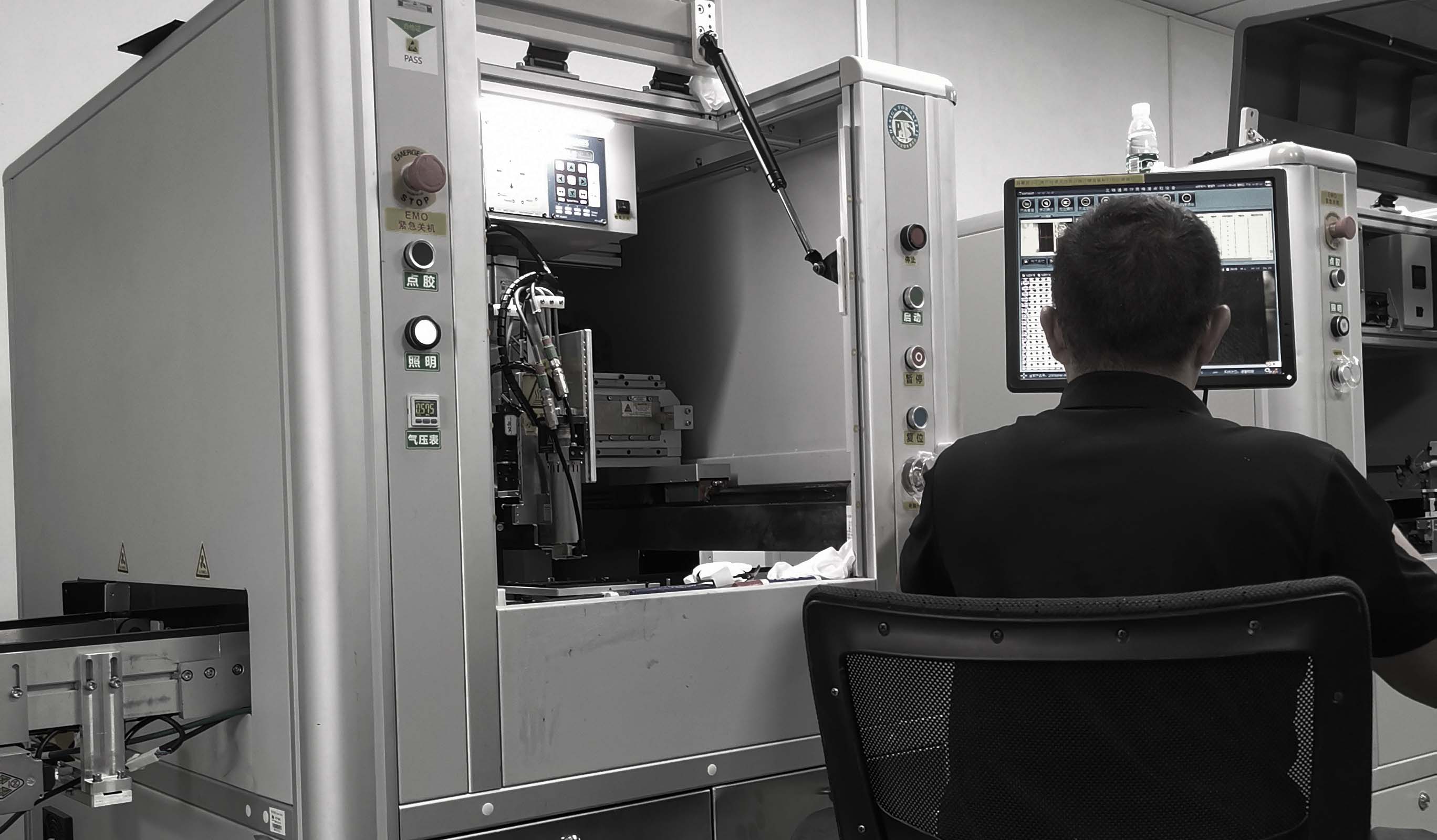
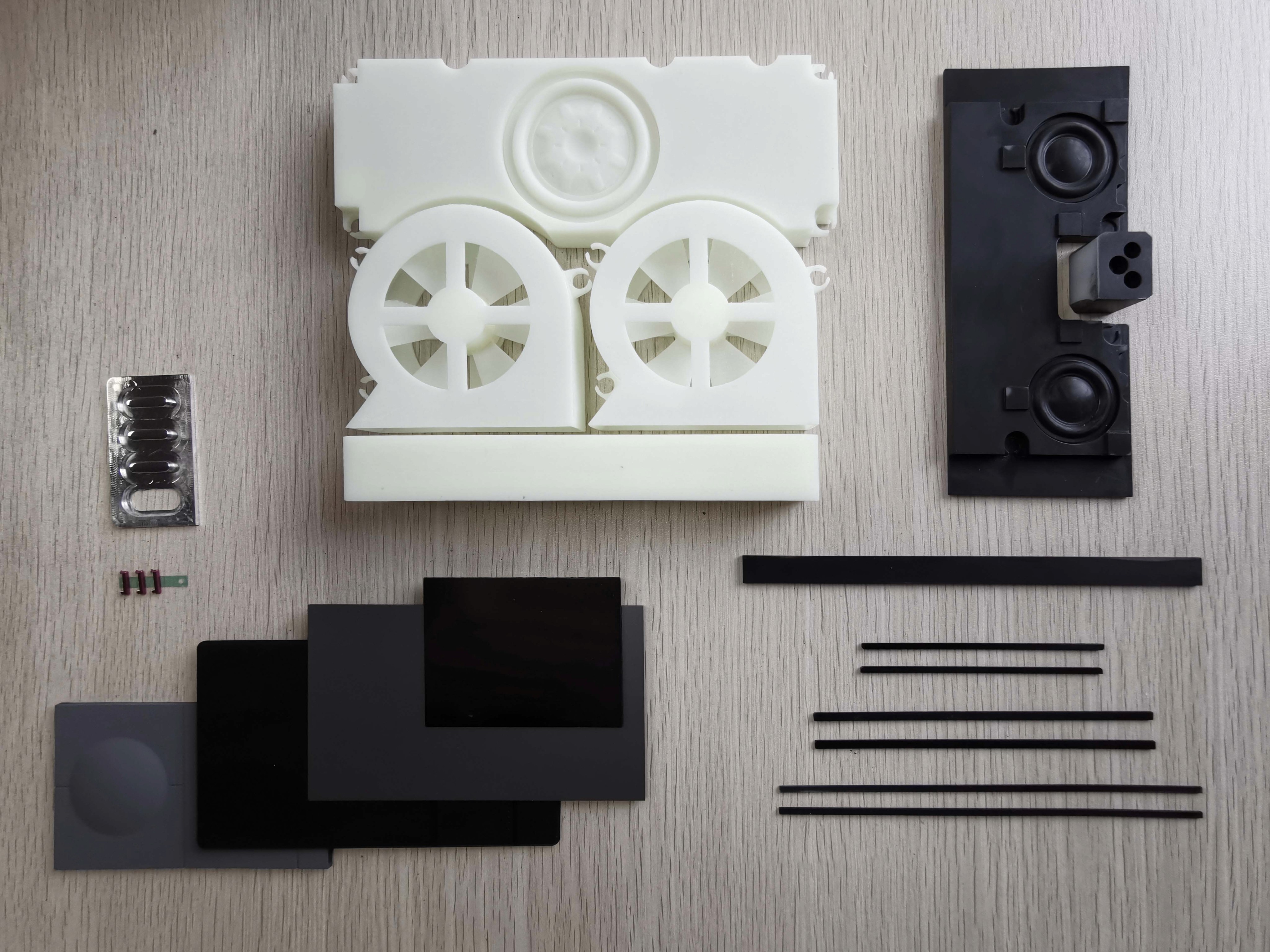
Through countless iterations and close collaboration between design and engineering teams, we achieved a balance between aesthetics, functionality, manufacturability, and cost. Every detail was carefully refined—from the seamless integration of high-performance hardware to the precision of material selection—ensuring that the final product meets the highest standards. We meticulously adjusted proportions, fine-tuned textures, and optimized structural integrity to create a device that is not only visually stunning but also durable and practical for everyday use. The result is an AIO PC that redefines expectations, merging cutting-edge technology with an elegant form factor. It embodies Huawei’s commitment to premium craftsmanship and innovative design, setting a new benchmark for the industry.
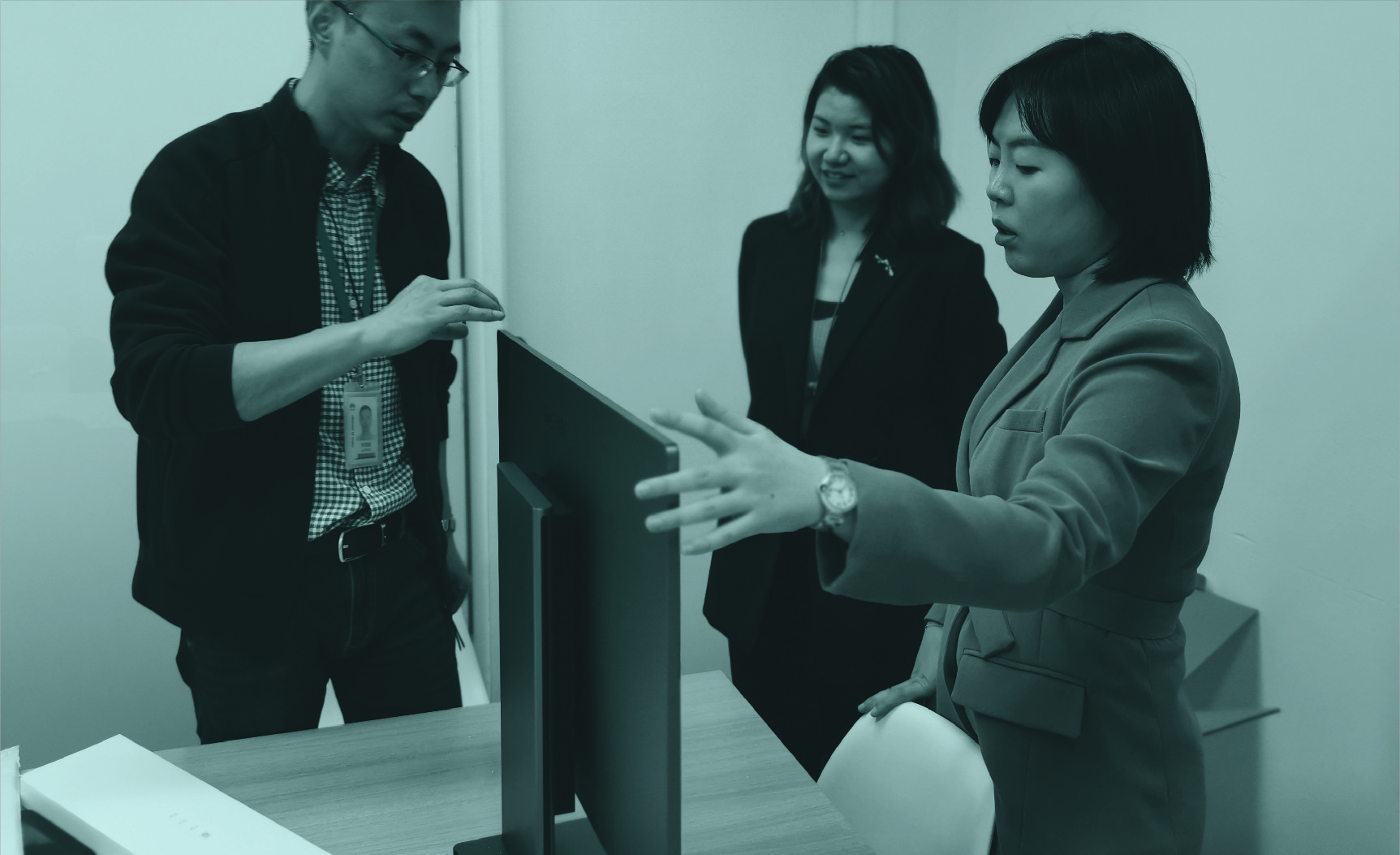
Here, I must express my deepest gratitude to the HUAWEI PC team, the JAPAN team, and the 2012 Lab for their invaluable support. Together, we have achieved an exceptional design and turned it into reality, delivering a world-class product that elevates the brand’s value. Furthermore, I extend my sincere thanks to the entire R&D team for their dedication in bringing our design to life through meticulous engineering and manufacturing. I truly appreciate your patience and willingness to embrace my unwavering commitment to design excellence.
HUAWEI - MateStation X


Good Design Award Winner 2022
IF Design Award Winner 2022
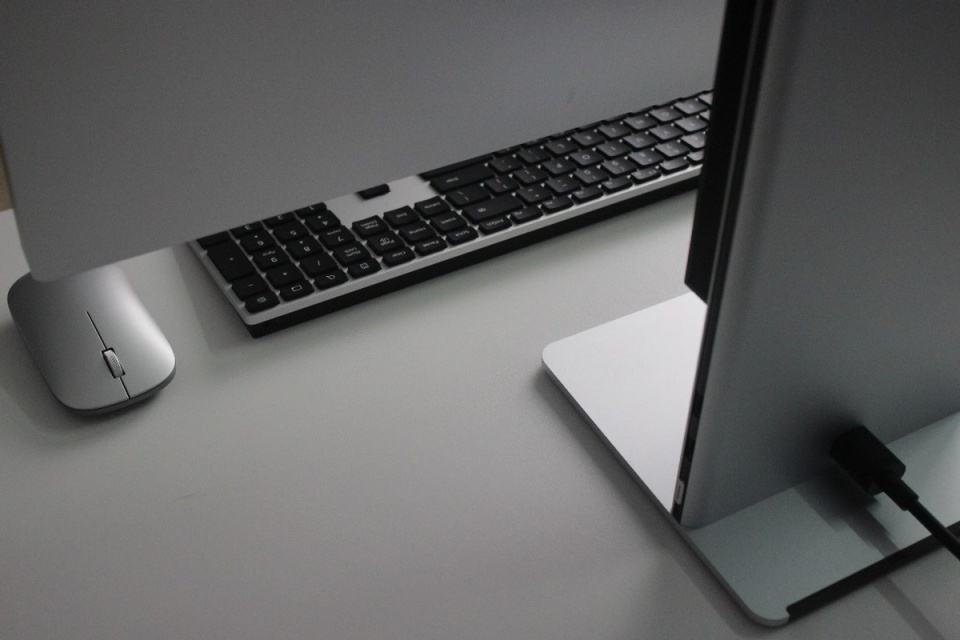
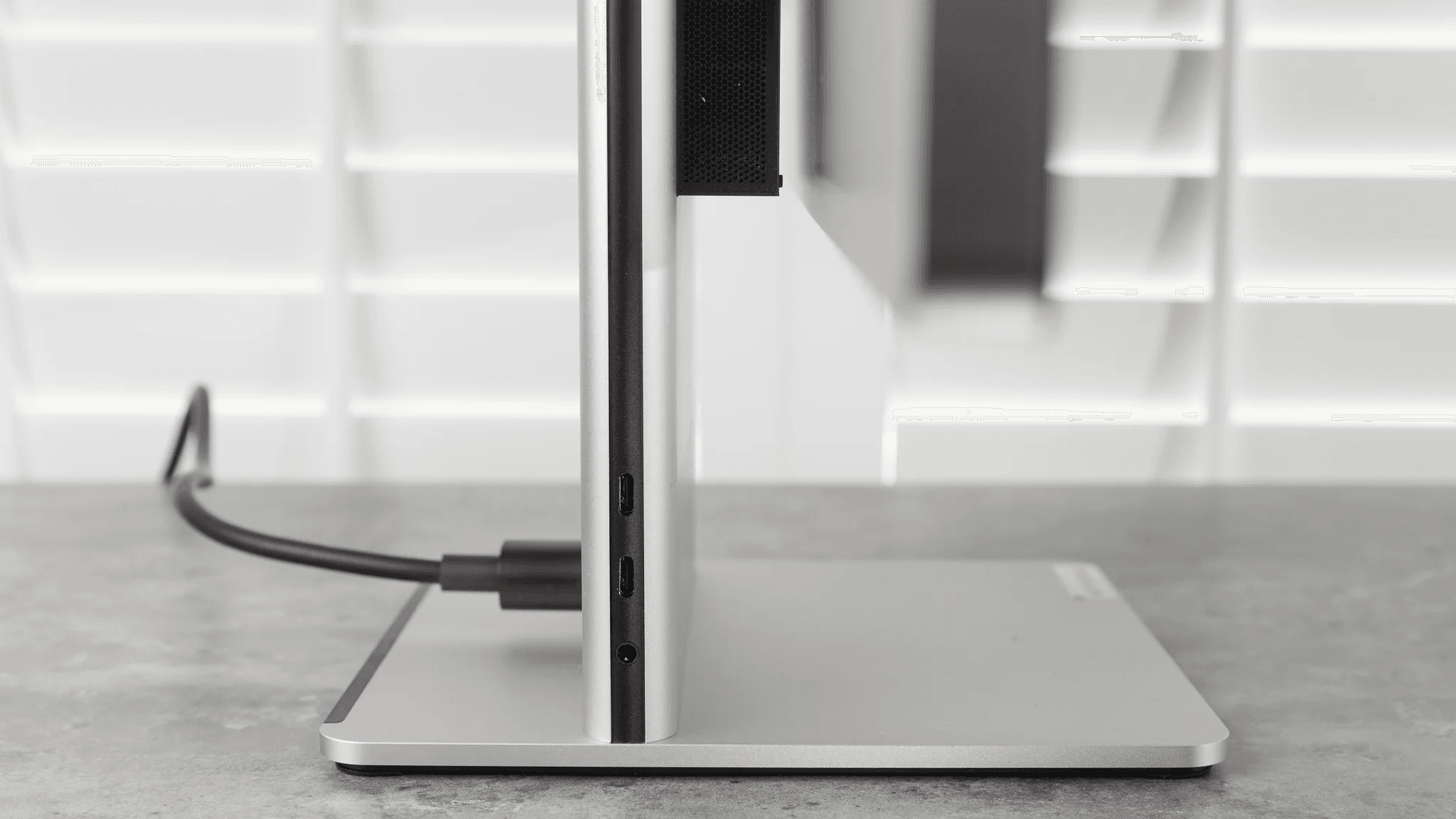
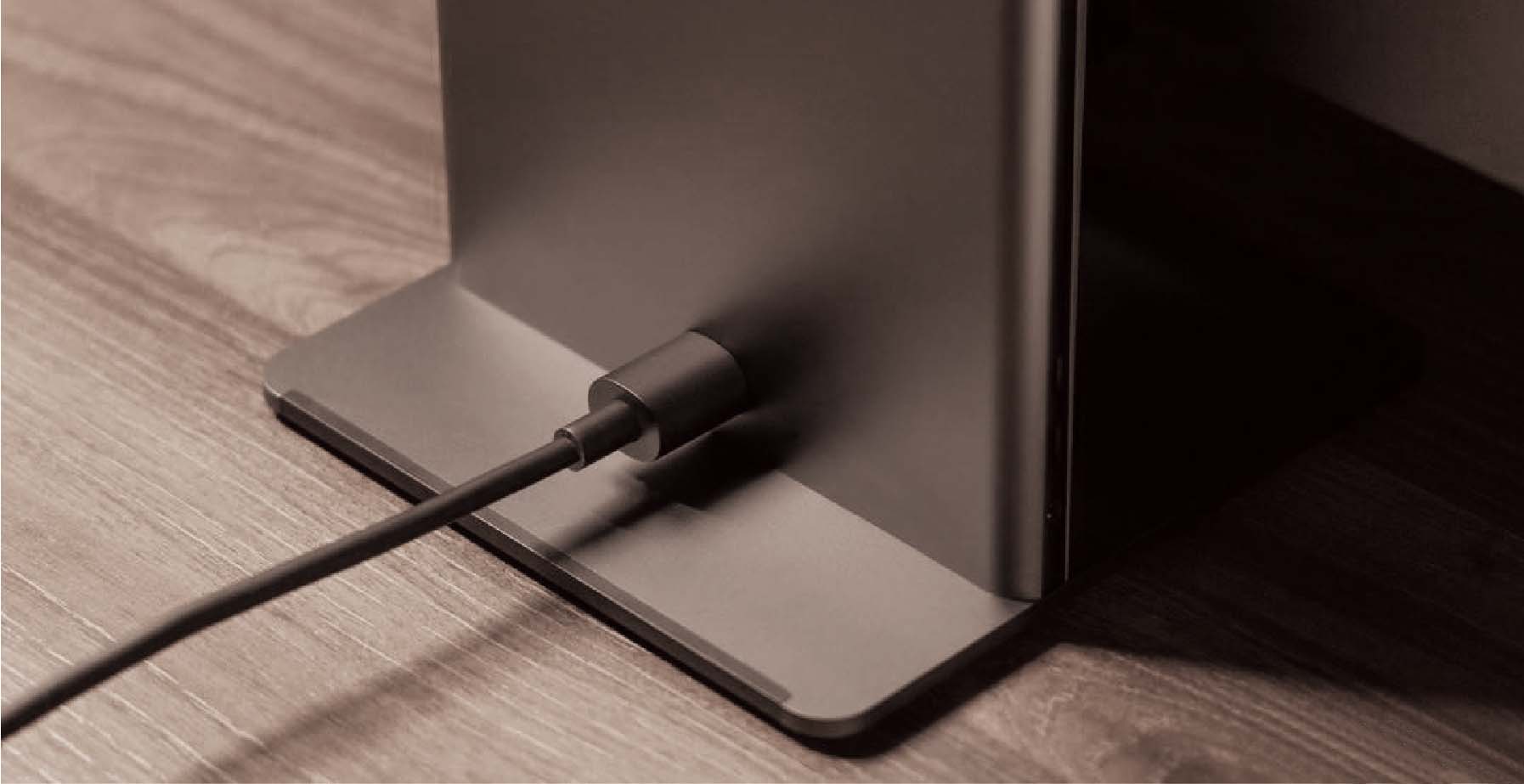
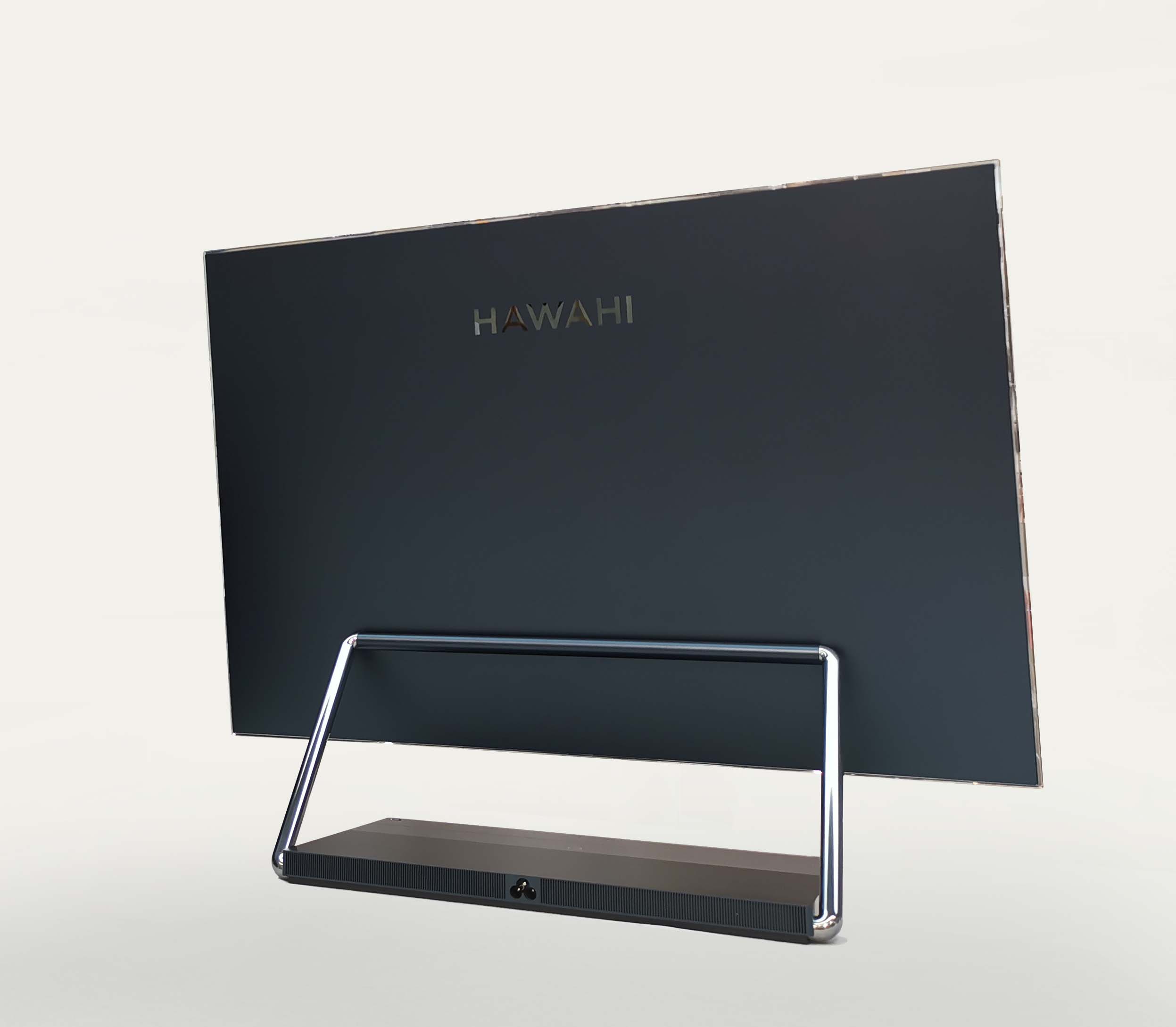
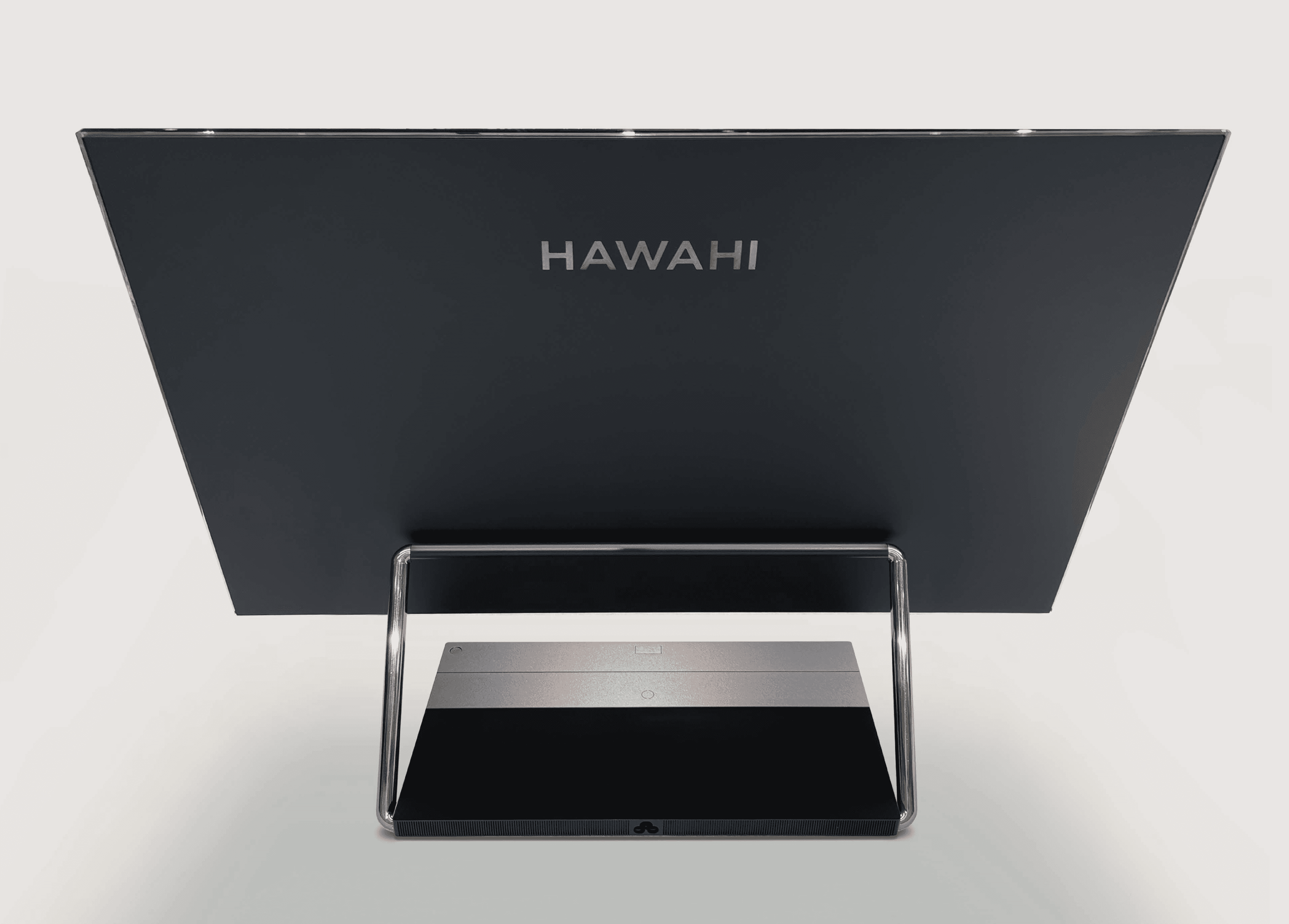
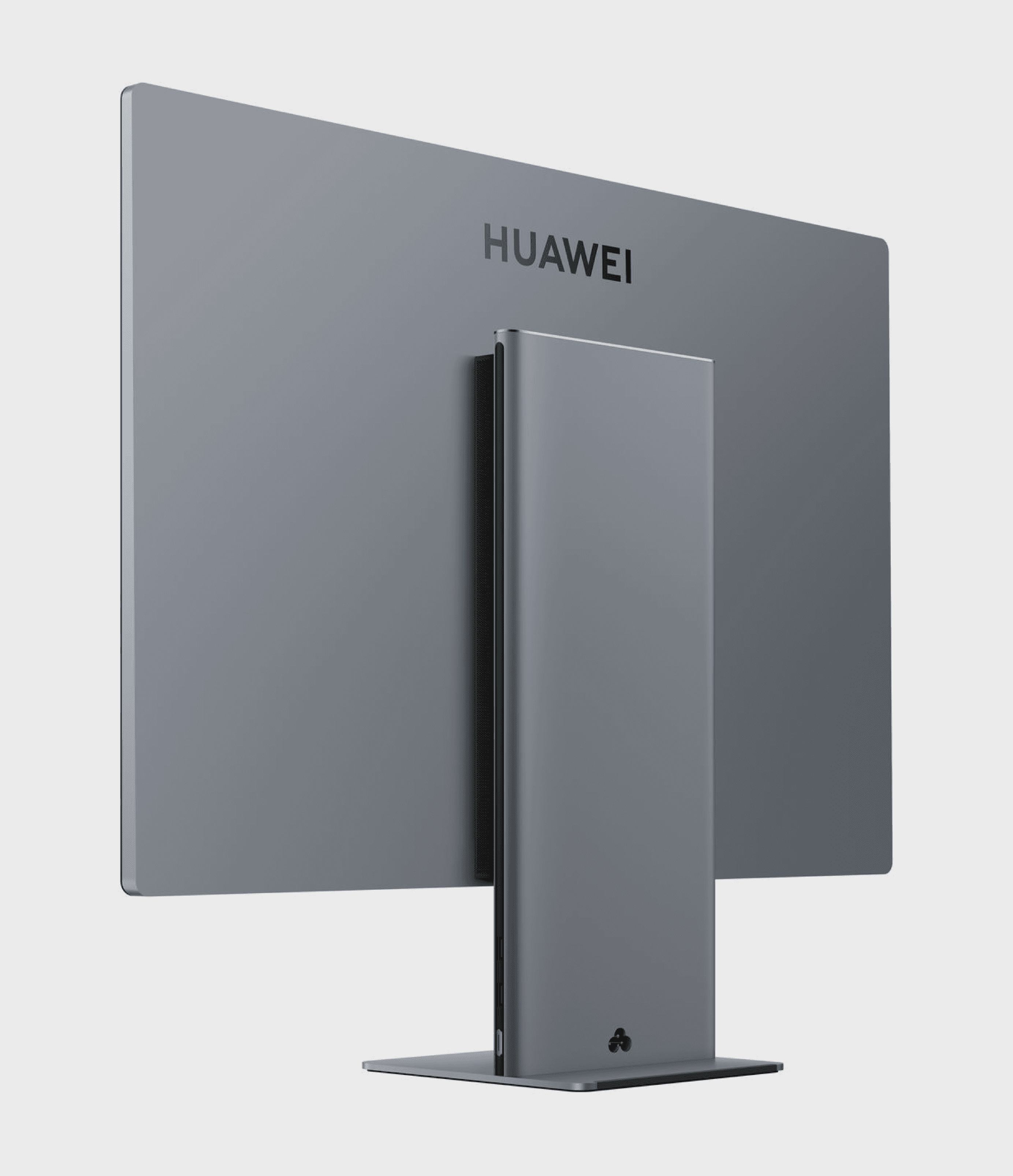
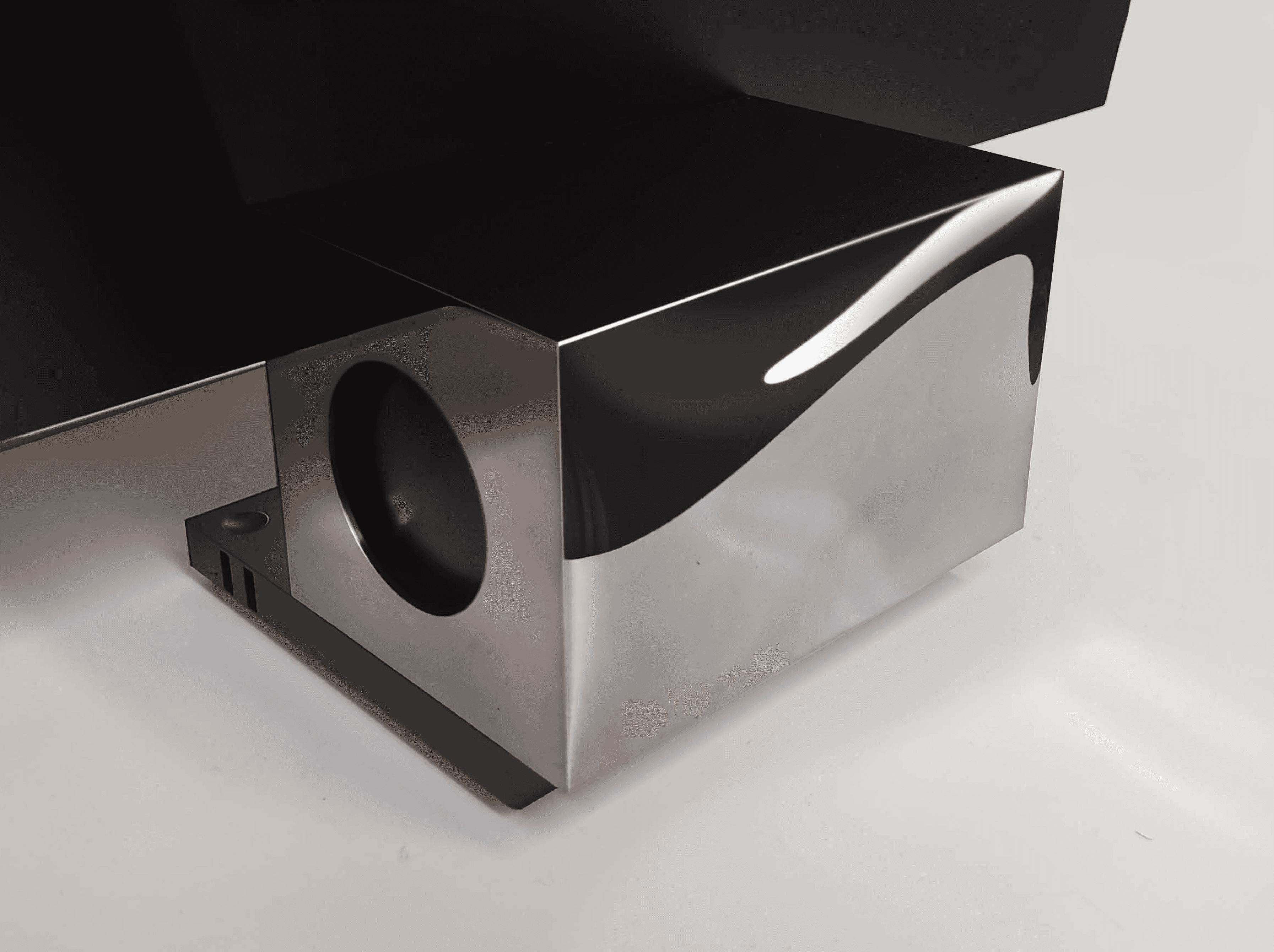
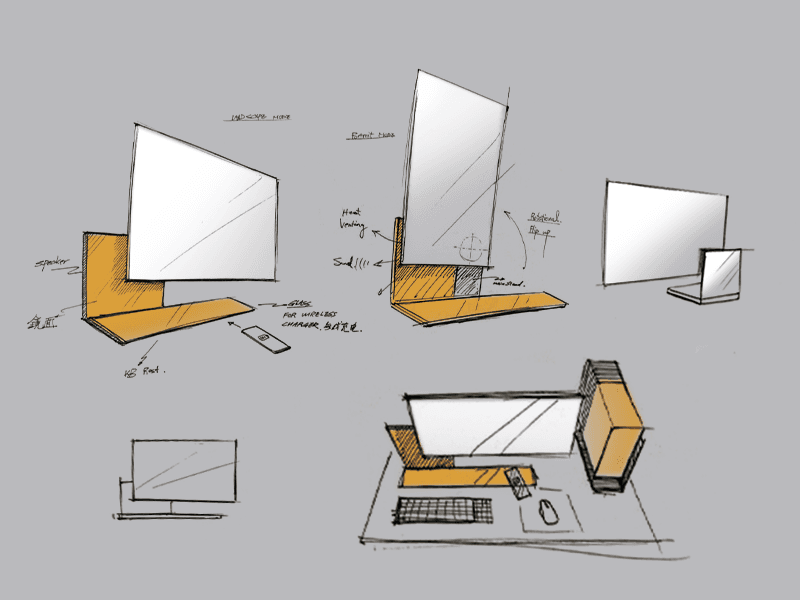
The carefully positioned I/O ports and cable routing enhance the user experience, creating a workspace that is both functional and visually appealing. By strategically placing the ports at the lower side of the stand, we ensure easy access without disrupting the clean design. This thoughtful arrangement minimizes cable clutter, allowing users to maintain a tidy and organized setup effortlessly. Additionally, the routing system guides cables naturally along the stand, preventing tangles and keeping them neatly concealed. This not only improves usability but also reinforces the minimalist aesthetic, ensuring that every interaction with the device feels seamless, intuitive, and refined.
Development and Fine-Tuning
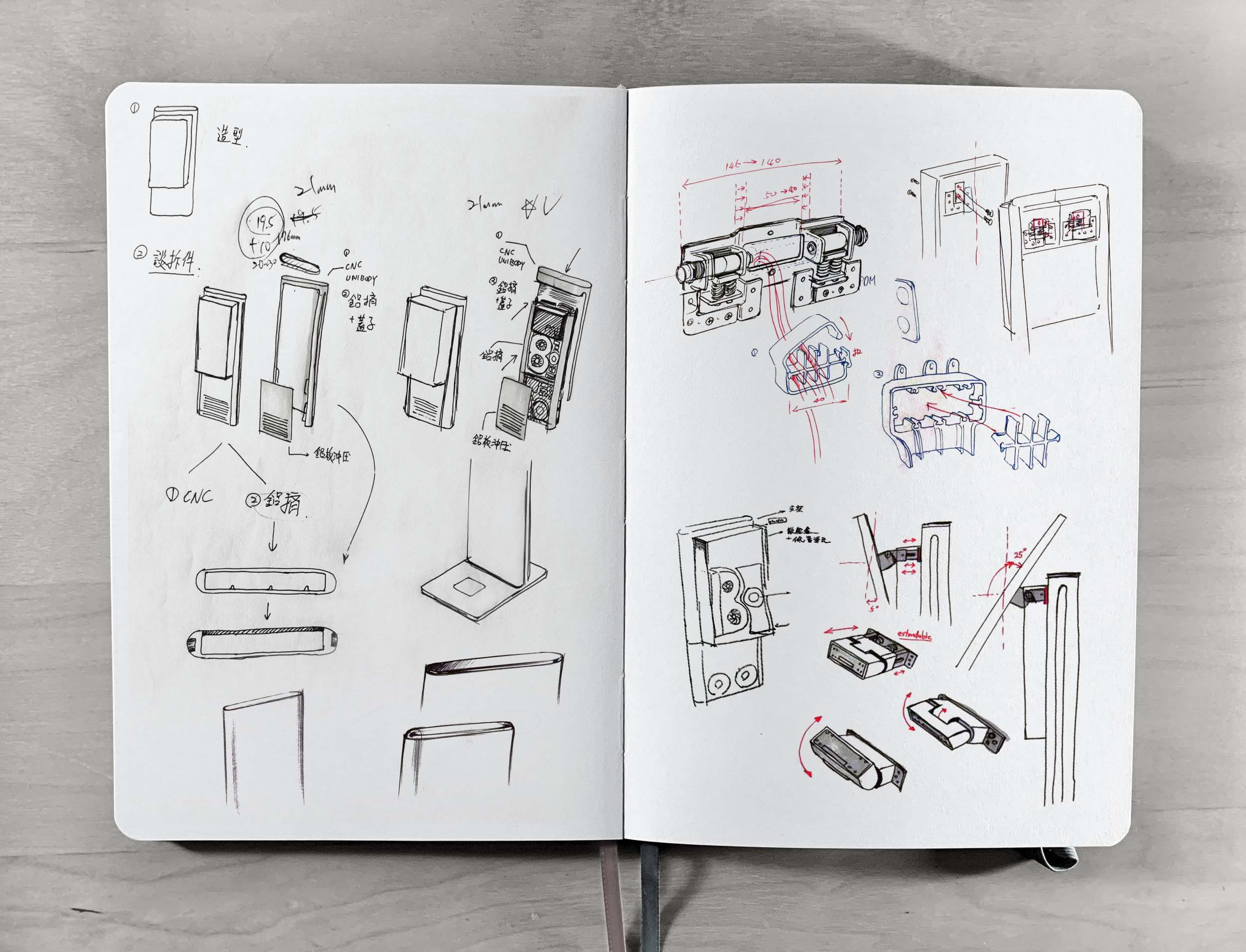
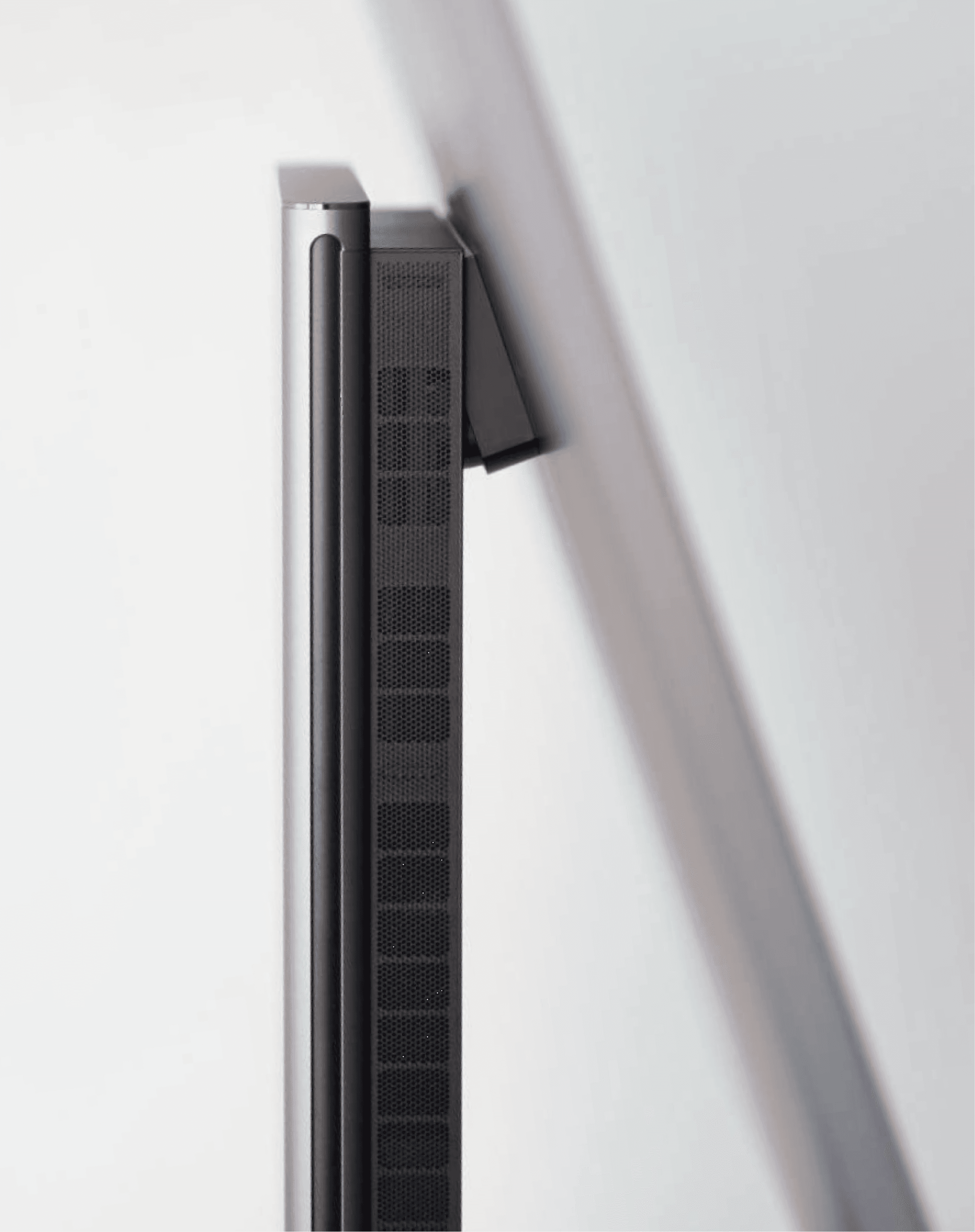
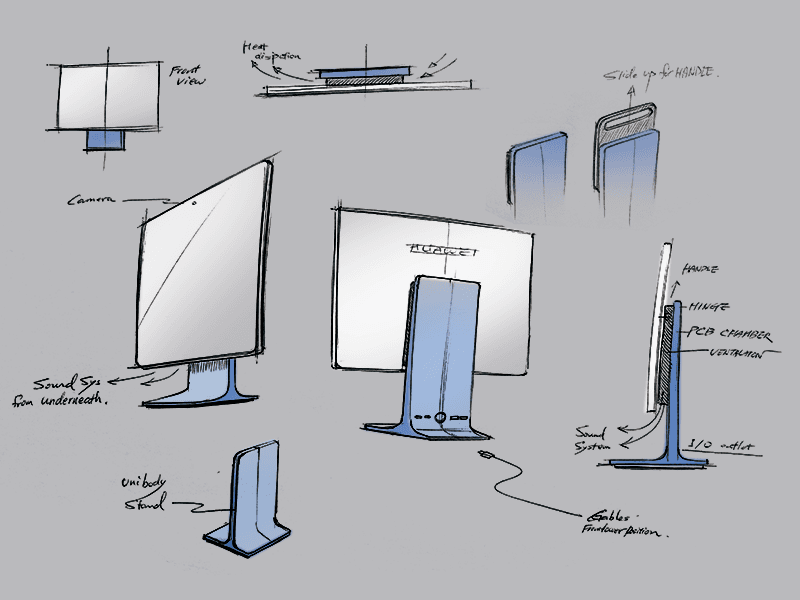
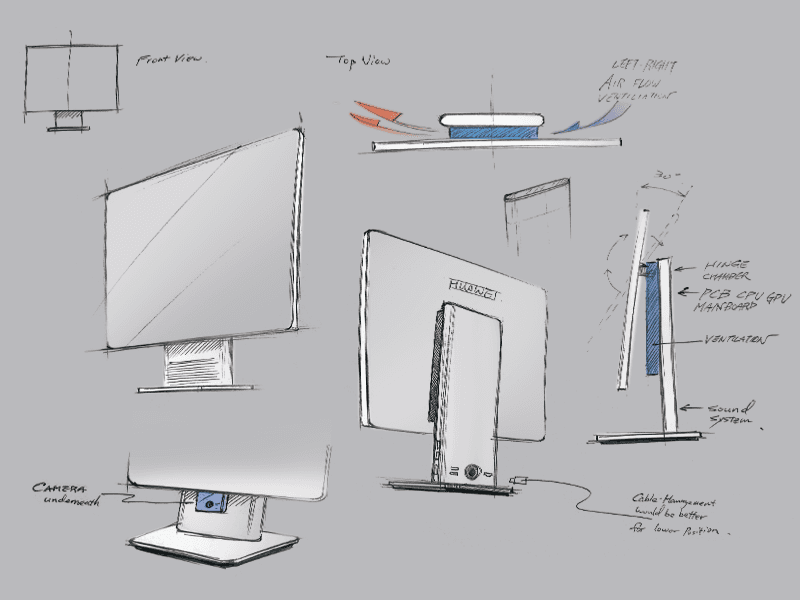
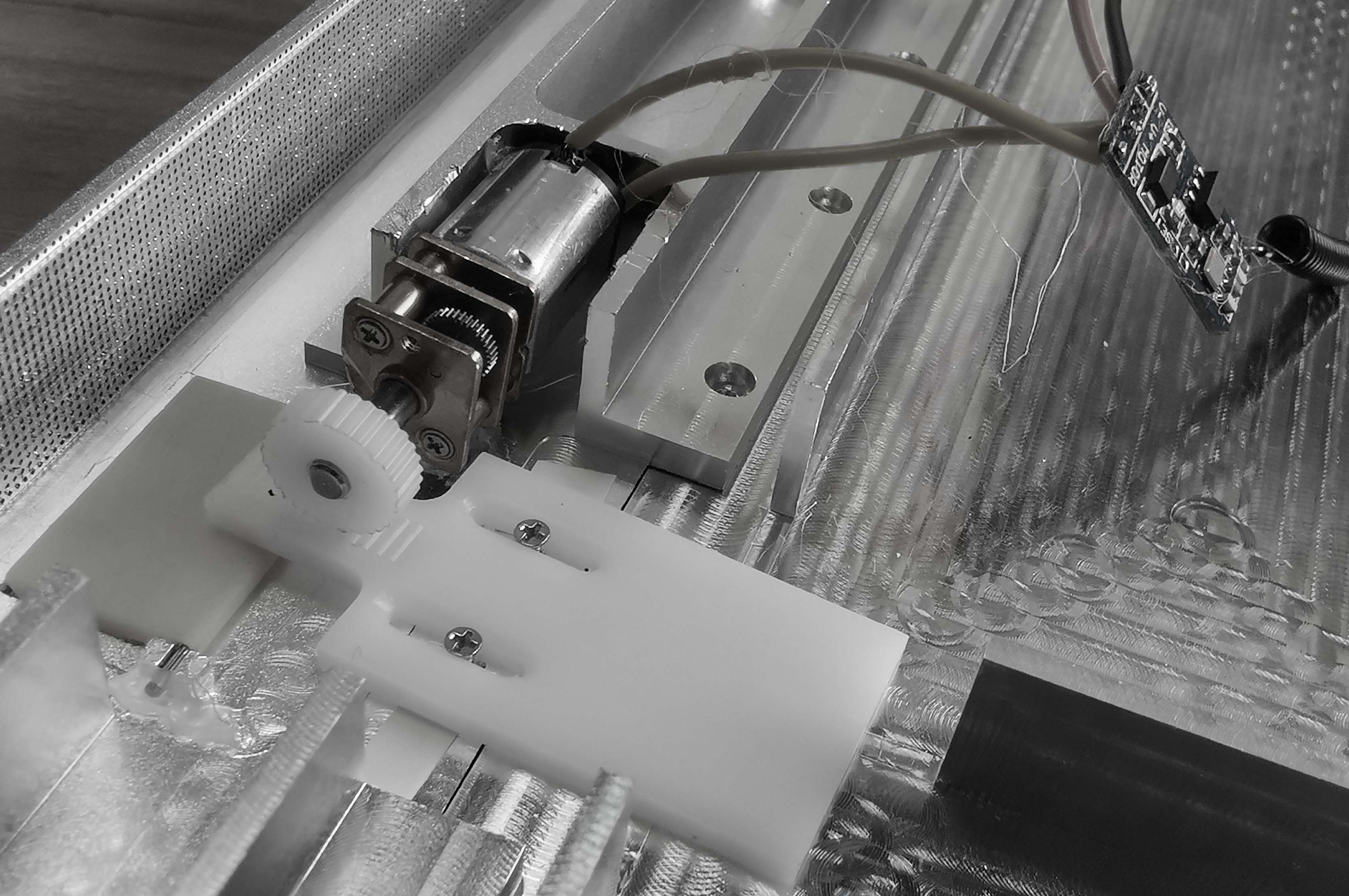
During this phase, our primary focus was translating the design concept into a fully realized product by collaborating closely with mechanical engineering, hardware engineering, and manufacturing teams. I was responsible for refining and delivering the design through to completion, ensuring that every detail aligned with our vision. A key challenge was seamlessly integrating the PC chamber into the stand while maintaining a hidden yet highly efficient ventilation system, preserving both aesthetics and performance. We worked extensively with RD engineers to determine the optimal internal hardware placement, ensuring it met high-performance specifications while also allowing for an effective convection cooling design. This process involved multiple adjustments to the overall proportions, continuously refining the structure until we achieved the most visually balanced and enduring aesthetic.
Design & Prototype Mock-up
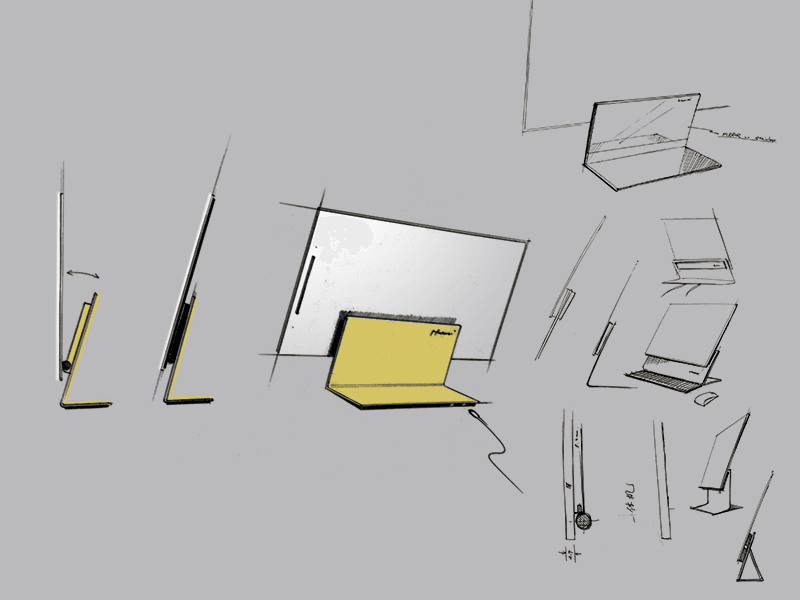
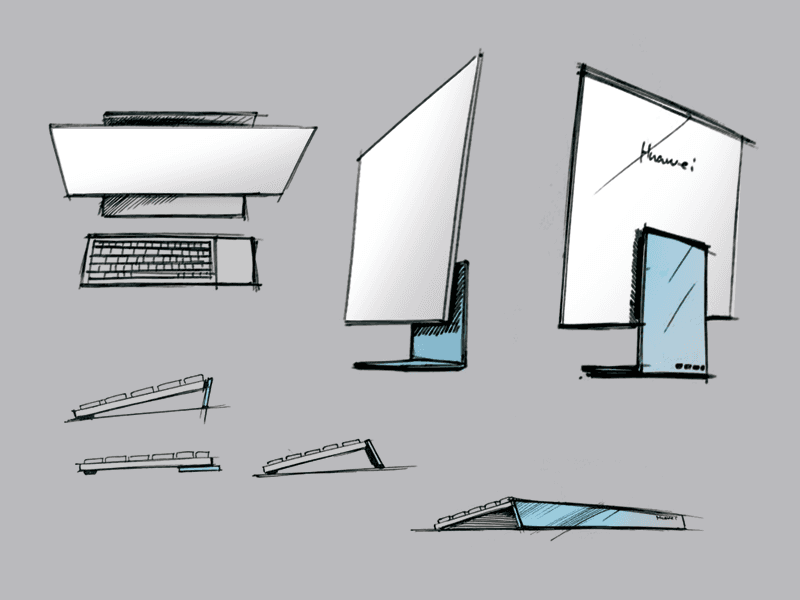
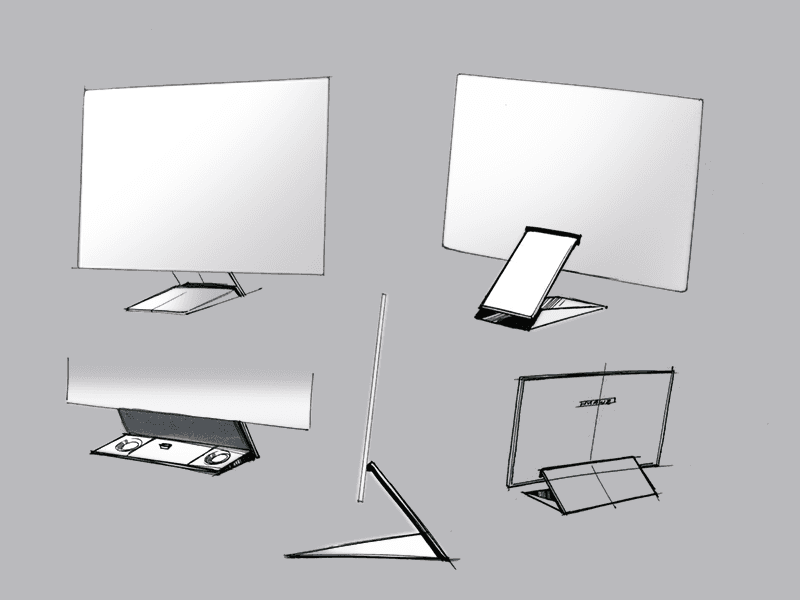
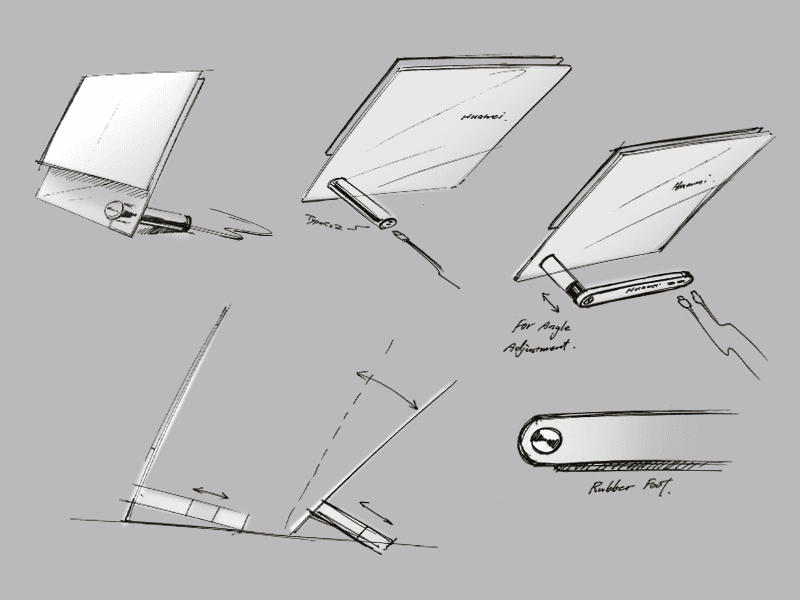
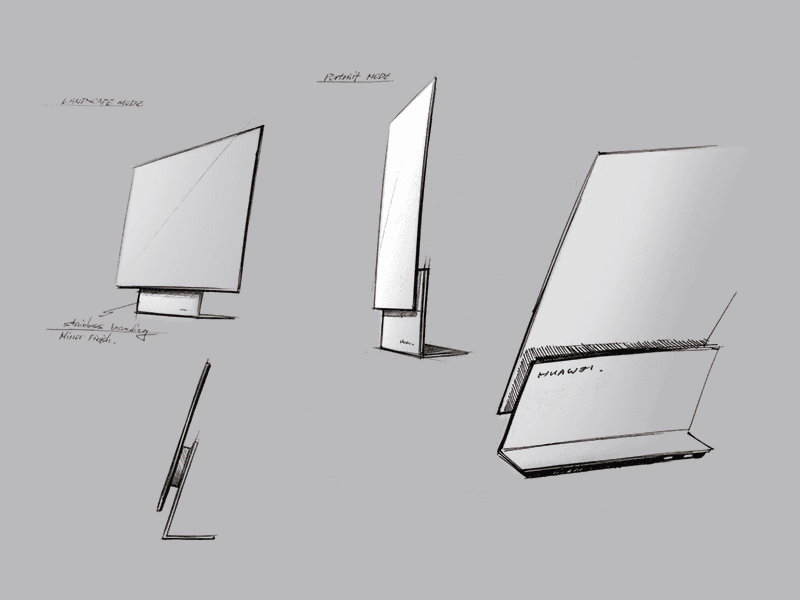
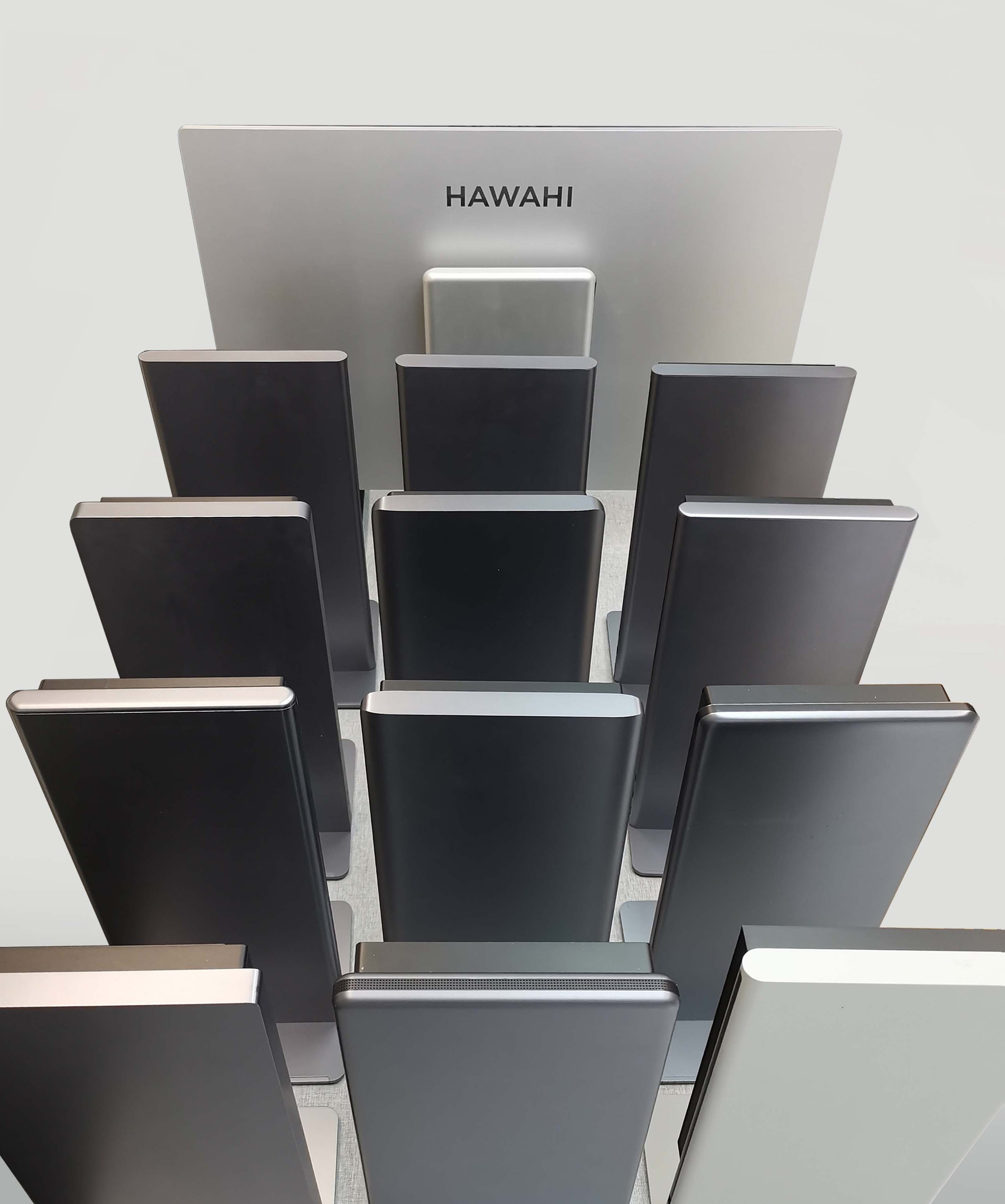
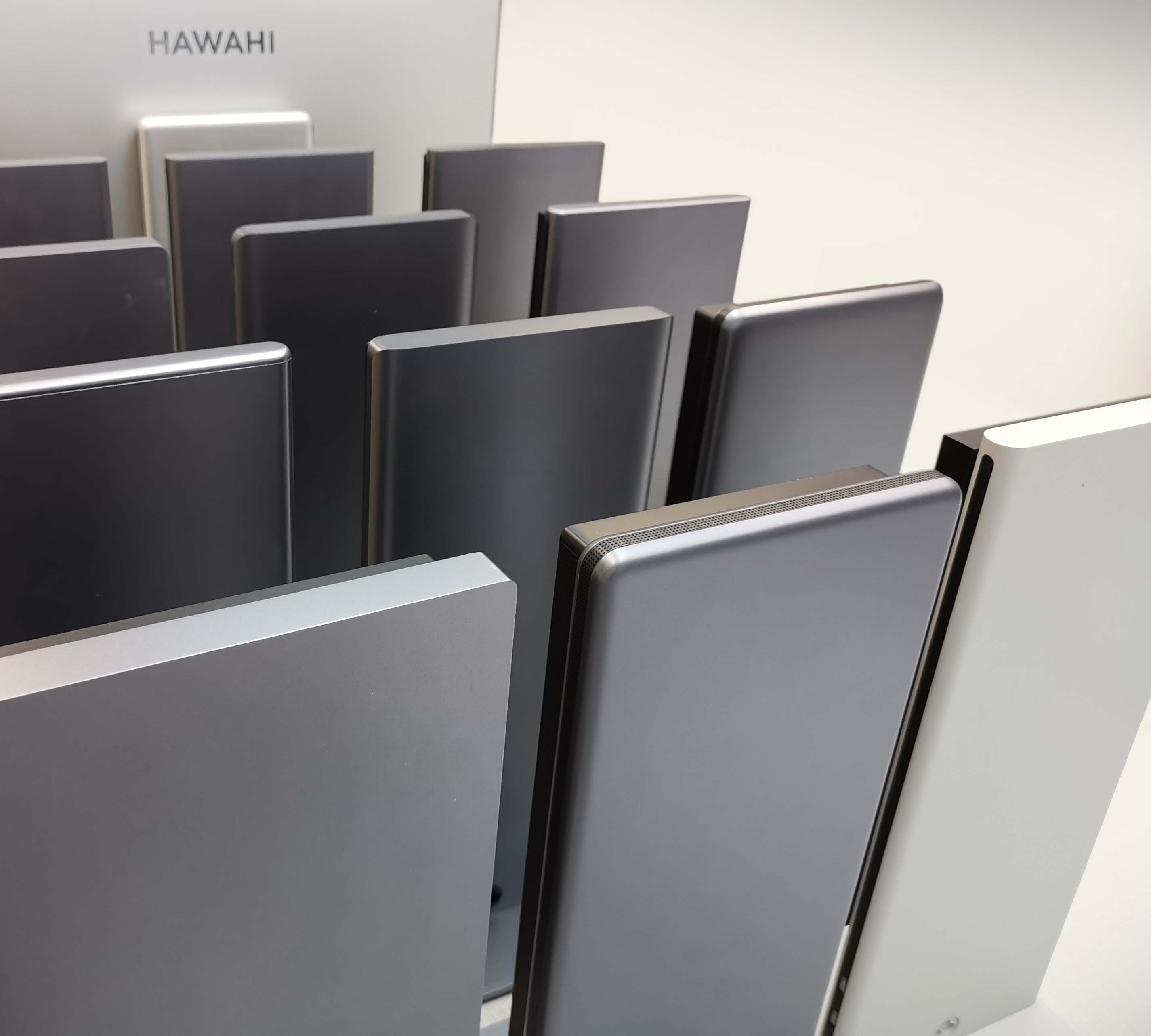
After several rounds of internal design discussions, we developed 3D models for selected concepts that aligned with our design goals and Huawei’s design philosophy. Our focus was on delivering premium quality, brilliance, purity, and simplicity, ensuring that every concept not only met functional requirements but also embodied elegance and sophistication.
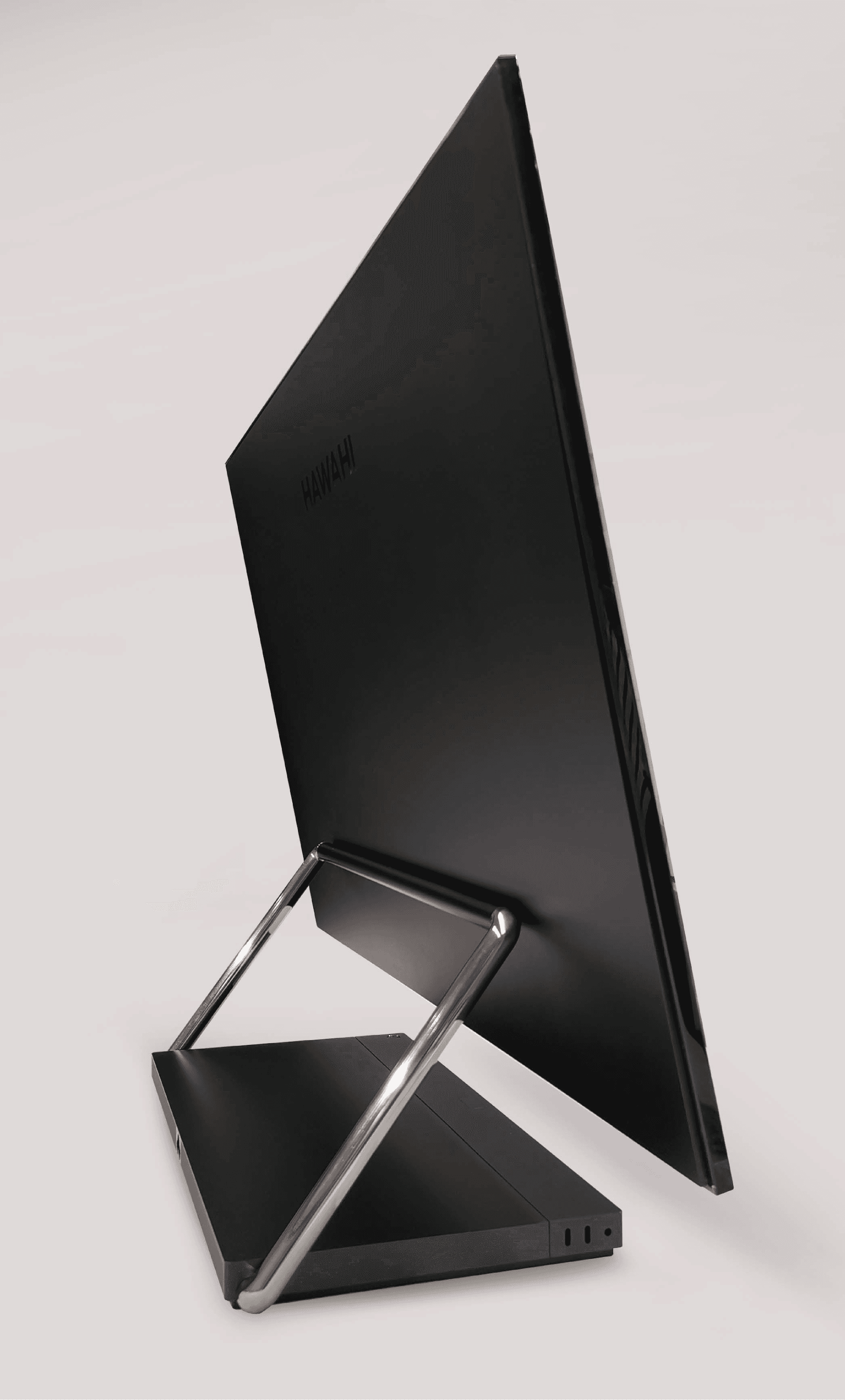
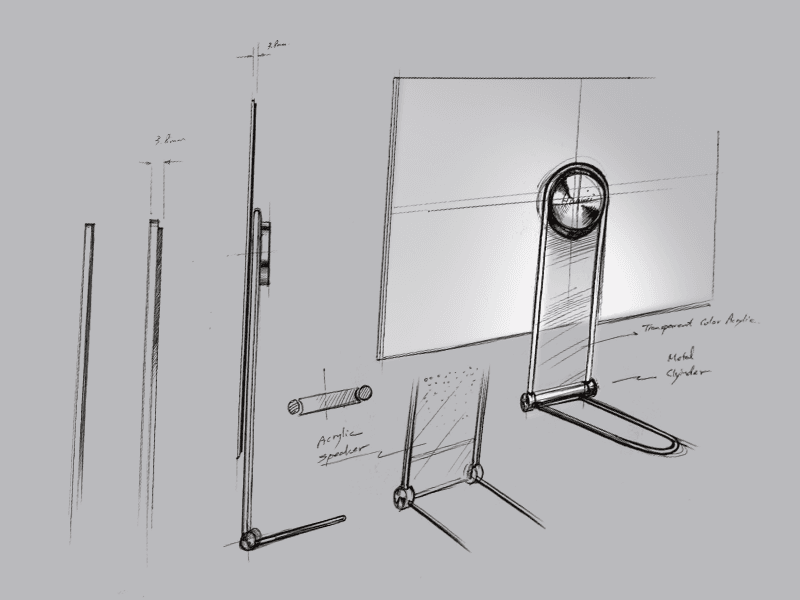
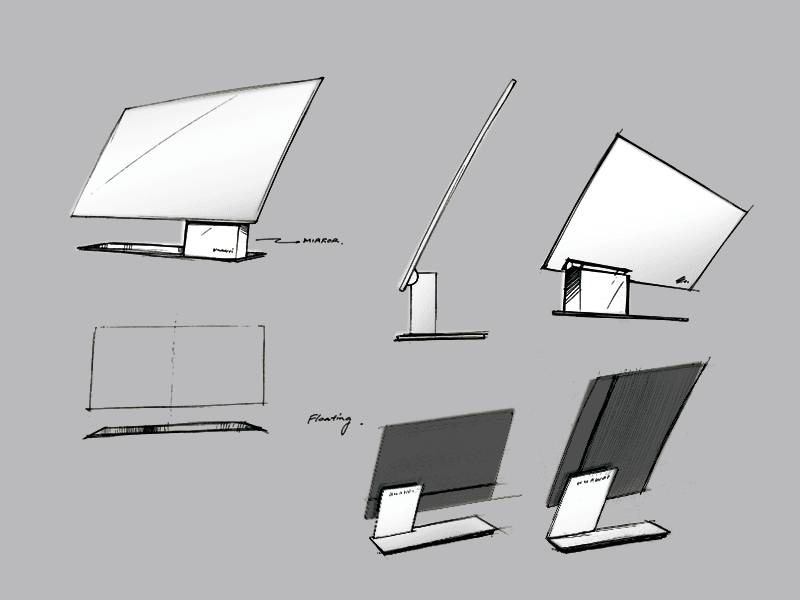
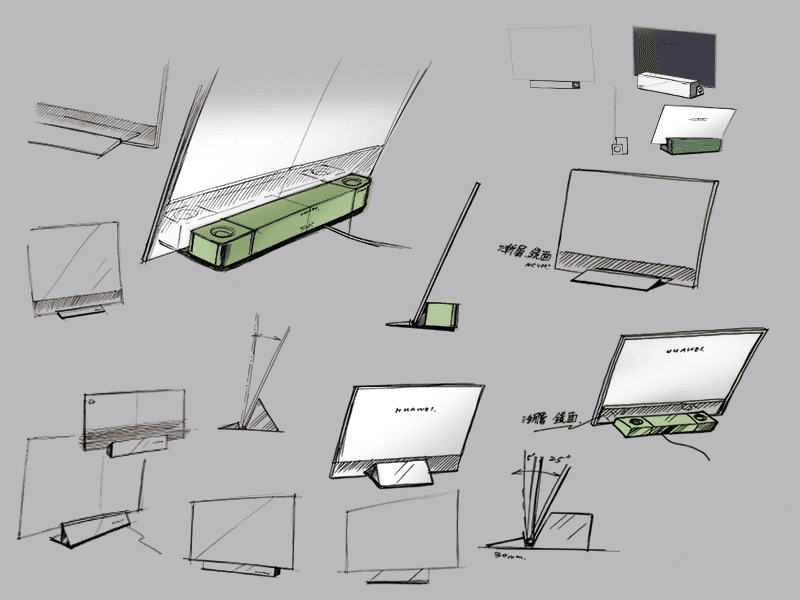
Design Ideation and Sketches
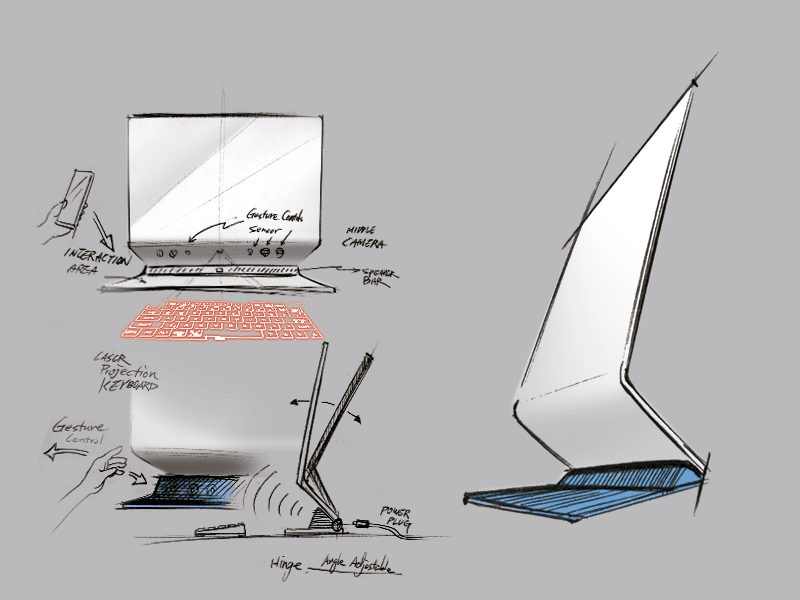
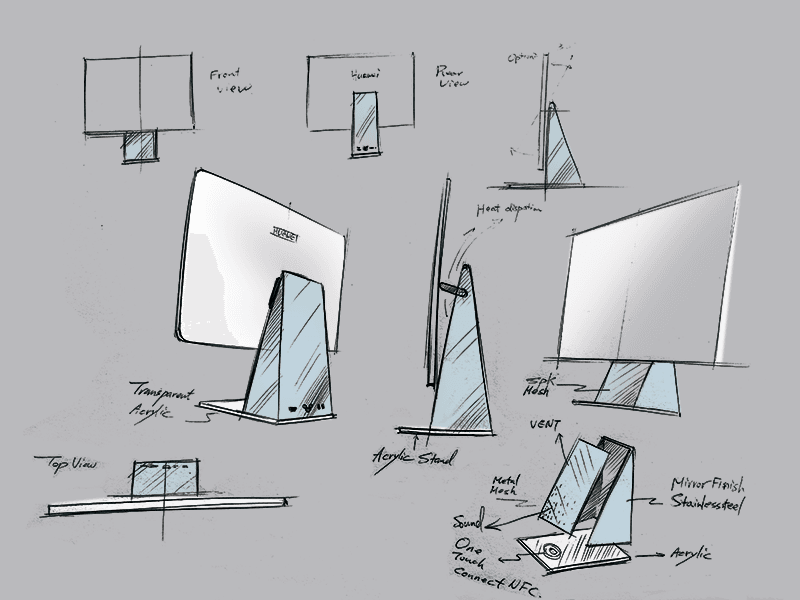
The design teams explored numerous concepts, ranging from artistic aesthetics to bold, unconventional forms. We created multiple prototype mockups and engaged in discussions with our superiors, exchanging insights on design inspiration and the ambitious goals we aimed to achieve. Ultimately, we selected the thinnest, simplest, and most reliable design—one that best aligned with our vision—to move forward to the next stage.
Design Goals and User Scenarios that enhance the User Experience
We outlined three essential objectives to enhance user experience and address these challenges:
Aesthetic AIO Design
for Versatile Environments


Guiding Hardware Design by
User Experience

User-Friendly Interaction Points

Click the icons for more information.
Key Design Challenge: Optimizing User Experience
At the beginning of the project, we coordinated discussions across three teams in three different locations. Through these meetings, we shared insights and research on existing AIO products in the market, identifying key pain points that our design should address. These included: Balancing Aesthetics vs. Hardware Performance, Material Costs vs. Target User Expectations, Engineering-Driven vs. User Experience-Driven Thinking. Each of these factors significantly impacts the final design outcome.
Balancing Aesthetics vs. Hardware Performance
In the computer industry, hardware specifications are often the primary factor influencing purchasing decisions. However, this does not mean aesthetics should be compromised. We explored ways to expand usage scenarios and potential markets, ensuring our design meets diverse user needs. Our goal was to create a product that not only delivers high performance but also upholds premium aesthetics, making it appealing to a broader audience.
Material Costs vs. Target User Expectations
Most AIO products on the market are made from inexpensive plastic, prioritizing cost over quality. We took a different approach, aiming to use high-quality, durable metal materials to elevate the product’s craftsmanship and perceived value. We believe that premium quality is a key selling point—users seek products that reflect their personal style and professionalism. Our vision was to achieve a material standard on par with industry leaders like Apple and Microsoft.
Engineering-Driven vs. User Experience-Driven Thinking
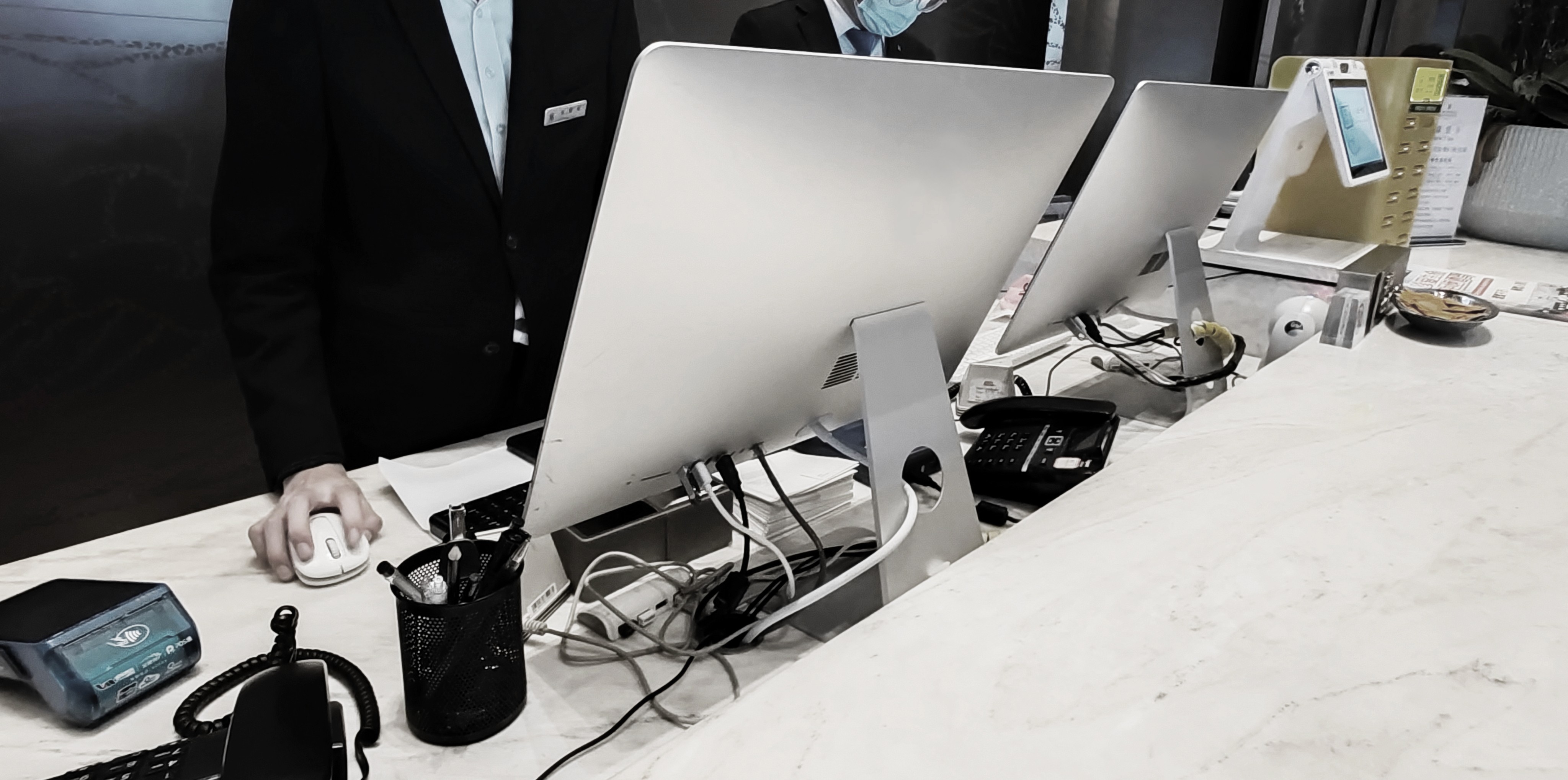
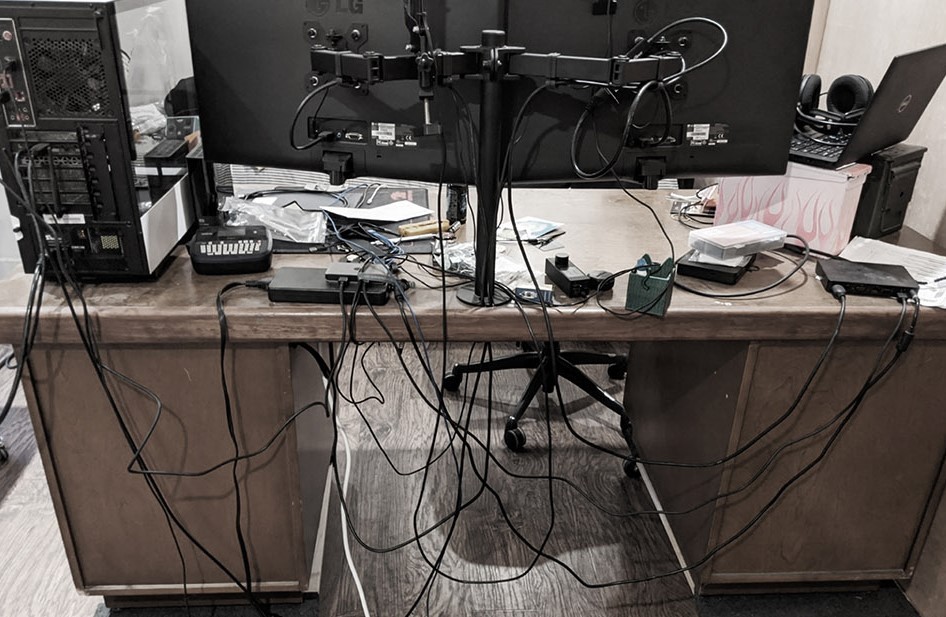
Many AIO products are designed with an engineering-first mindset, where components are arranged primarily to reduce manufacturing costs, often at the expense of user experience. One of the most overlooked yet critical issues is cable management. Our research revealed that over 95% of AIO and monitor products suffer from messy cable arrangements—an issue users often don’t realize until they start using the product. Since advertisements rarely show the rear view, users are left with no choice but to accept this inconvenience.
The same applies to hardware interaction design—many products prioritize cost-effective layouts over intuitive usability. Our approach was different: Could we eliminate these issues right from the initial design phase? Instead of following conventional engineering practices, we redefined our design priorities to deliver both functional efficiency and an optimized user experience.
Role and Collaboration
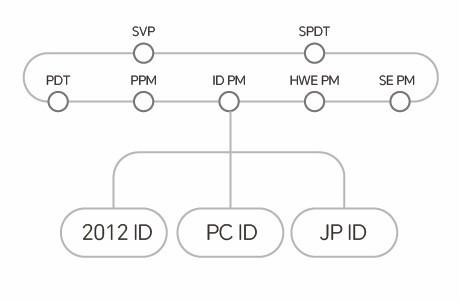
As the Design Manager for this project, I oversaw the collaboration between three key teams:
Huawei PC Design Team
Huawei Japan Design Center
Huawei 2012 Labs
My primary responsibility was to identify design challenges and establish clear design goals to guide these teams through the initial design phase.
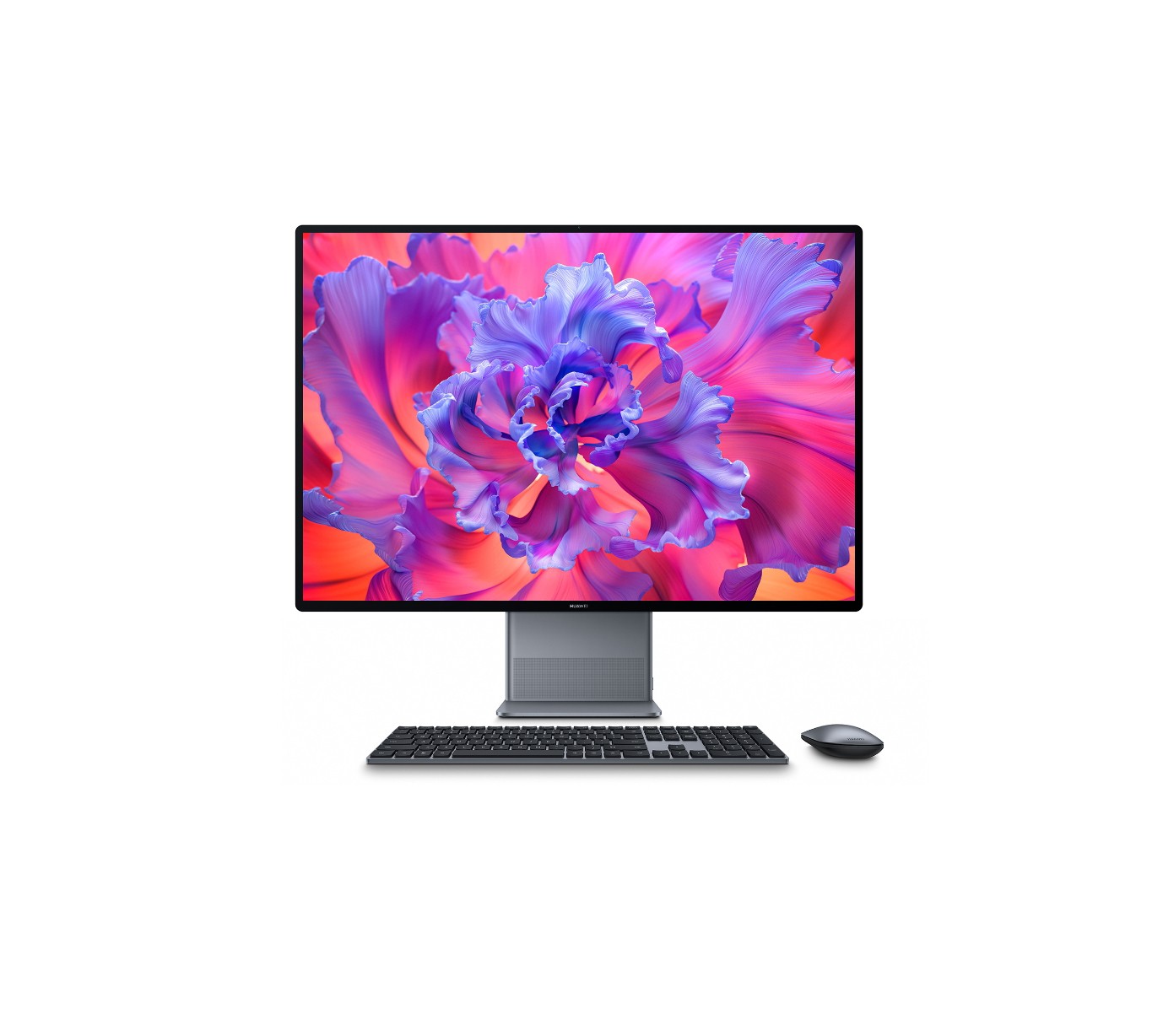
This marks Huawei's inaugural All-in-One (AIO) PC product, and our goal was clear: to distinguish it from the competition while delivering an exceptional user experience. This product is not just about appearance—it reflects the first impression of Huawei’s brand. The design prioritizes exclusivity, high quality, and simplicity. With a sleek and minimalist style, it seamlessly integrates into various environments and scenarios.
Redefining Premium
HUAWEI
MateStation X
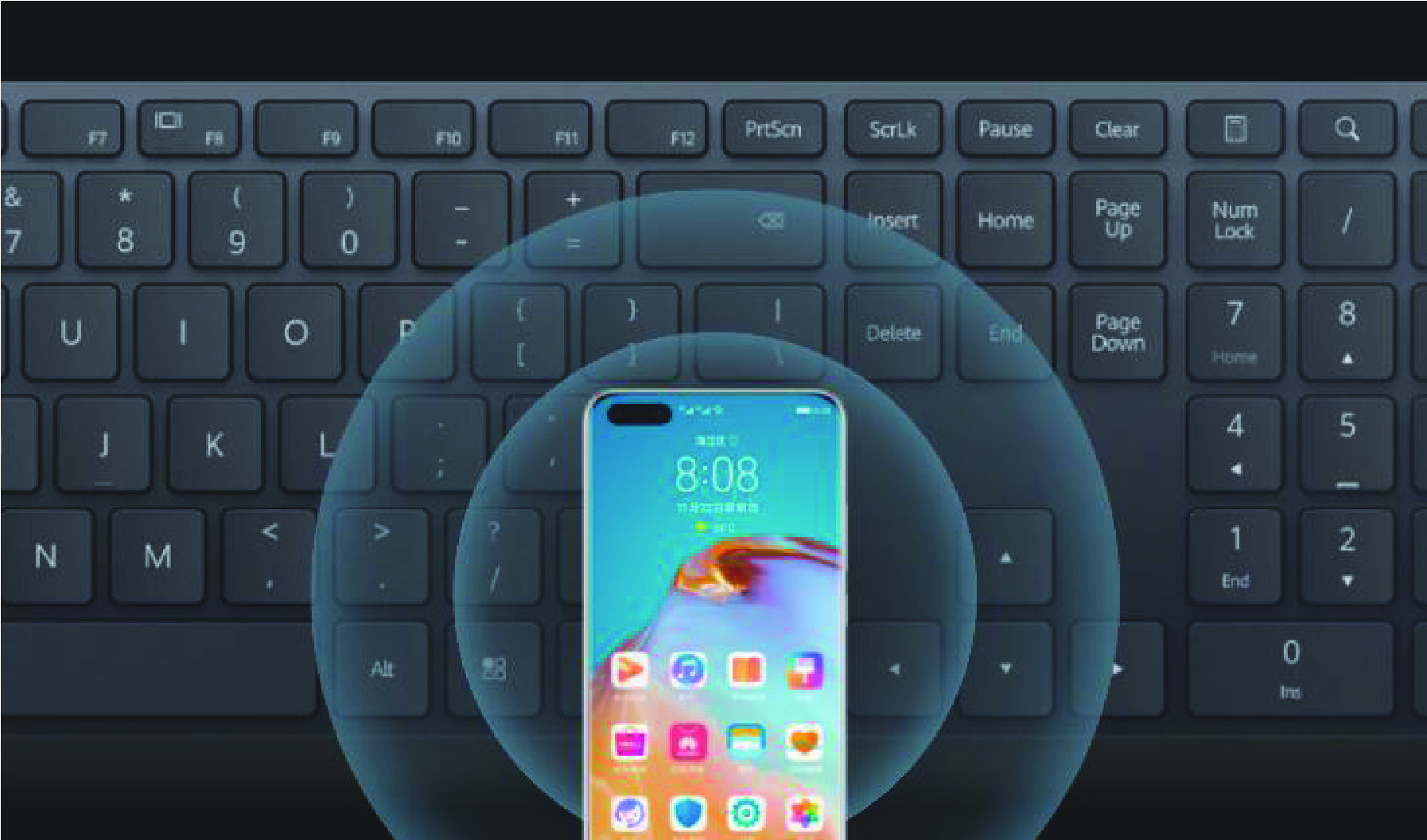
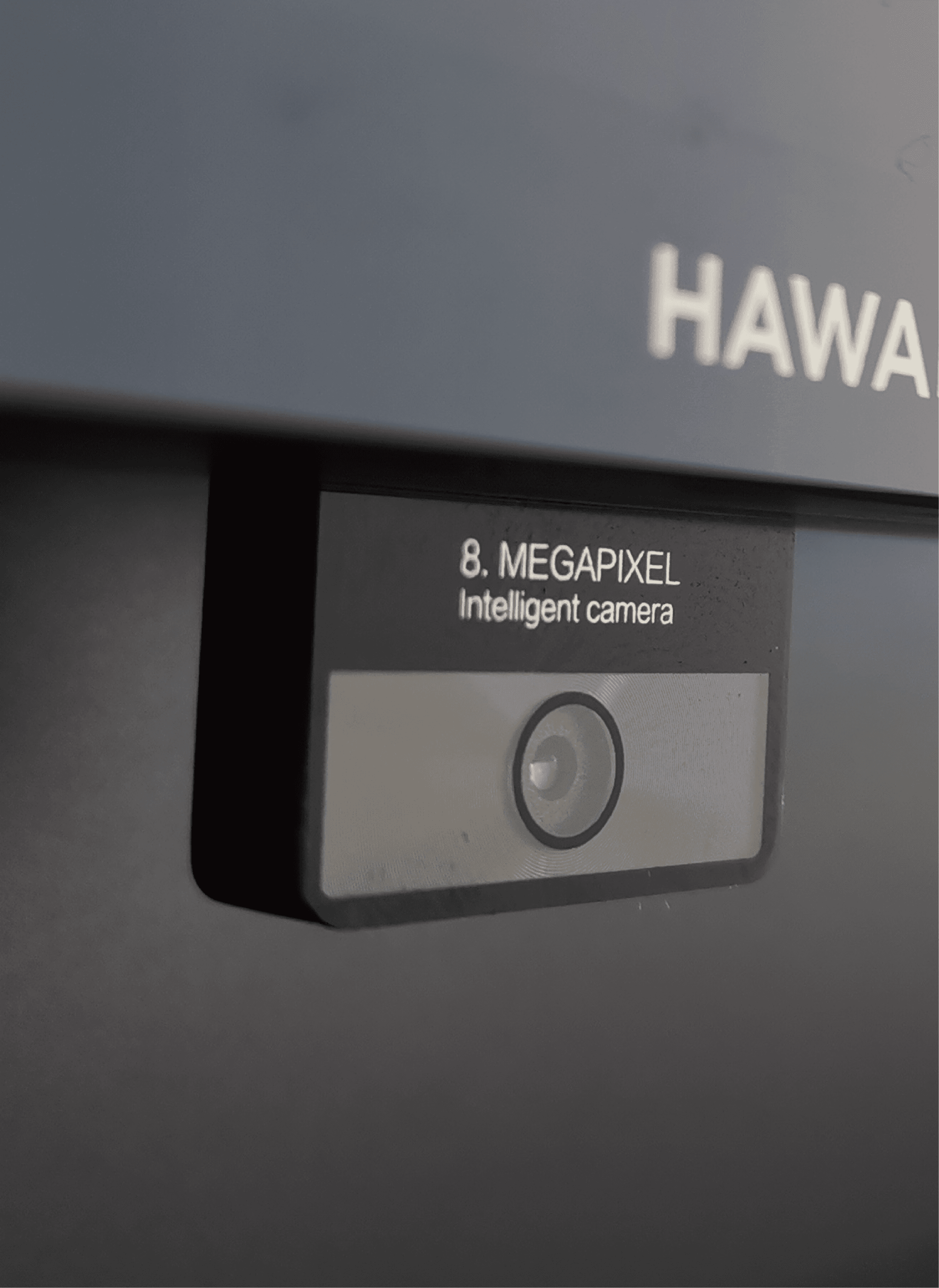
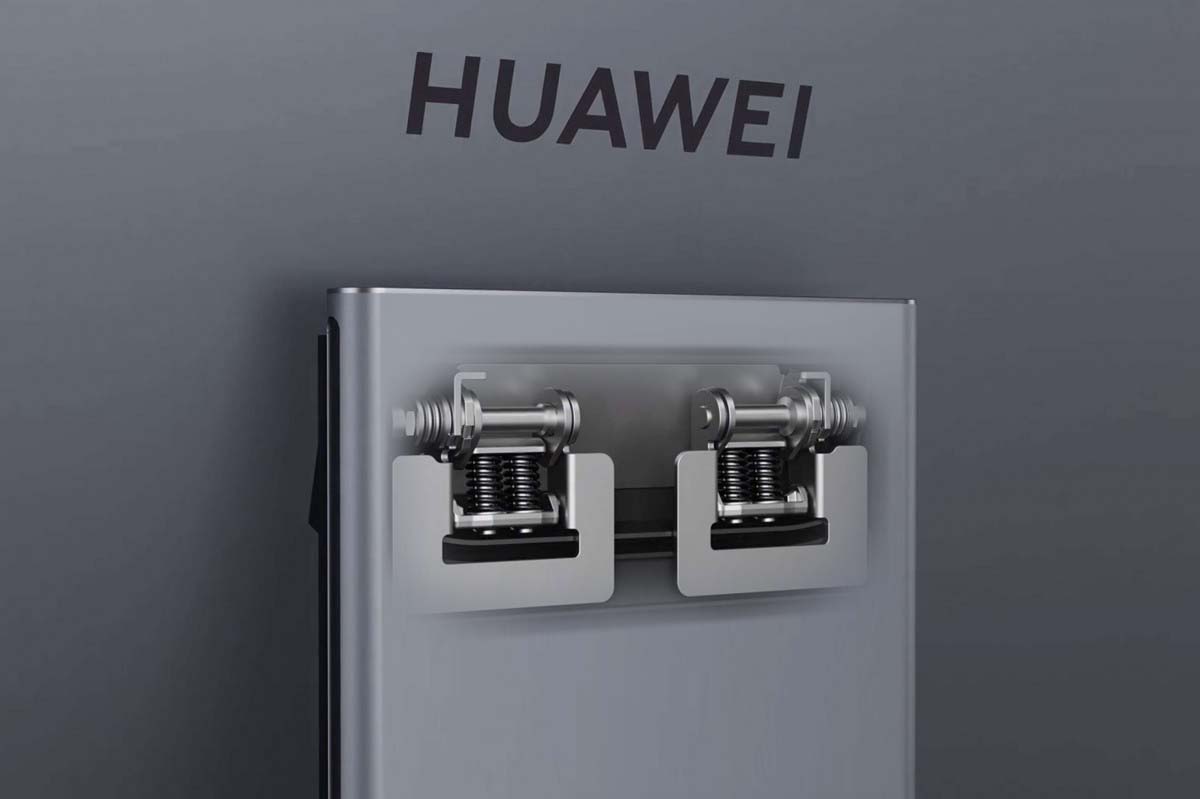
Additionally, working alongside mechanical engineers, we developed a lightweight display with an adjustable force range of 400–600g and a free-stop mechanism, allowing users to effortlessly position the monitor at their ideal viewing angle. Furthermore, we carefully optimized the placement of I/O ports to enhance cable management and improve overall usability. Through continuous refinement and cross-team collaboration, we ensured that the final product not only met functional requirements but also delivered a premium and seamless user experience.
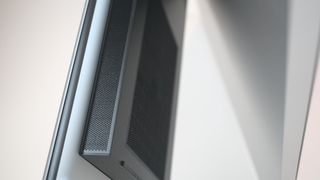
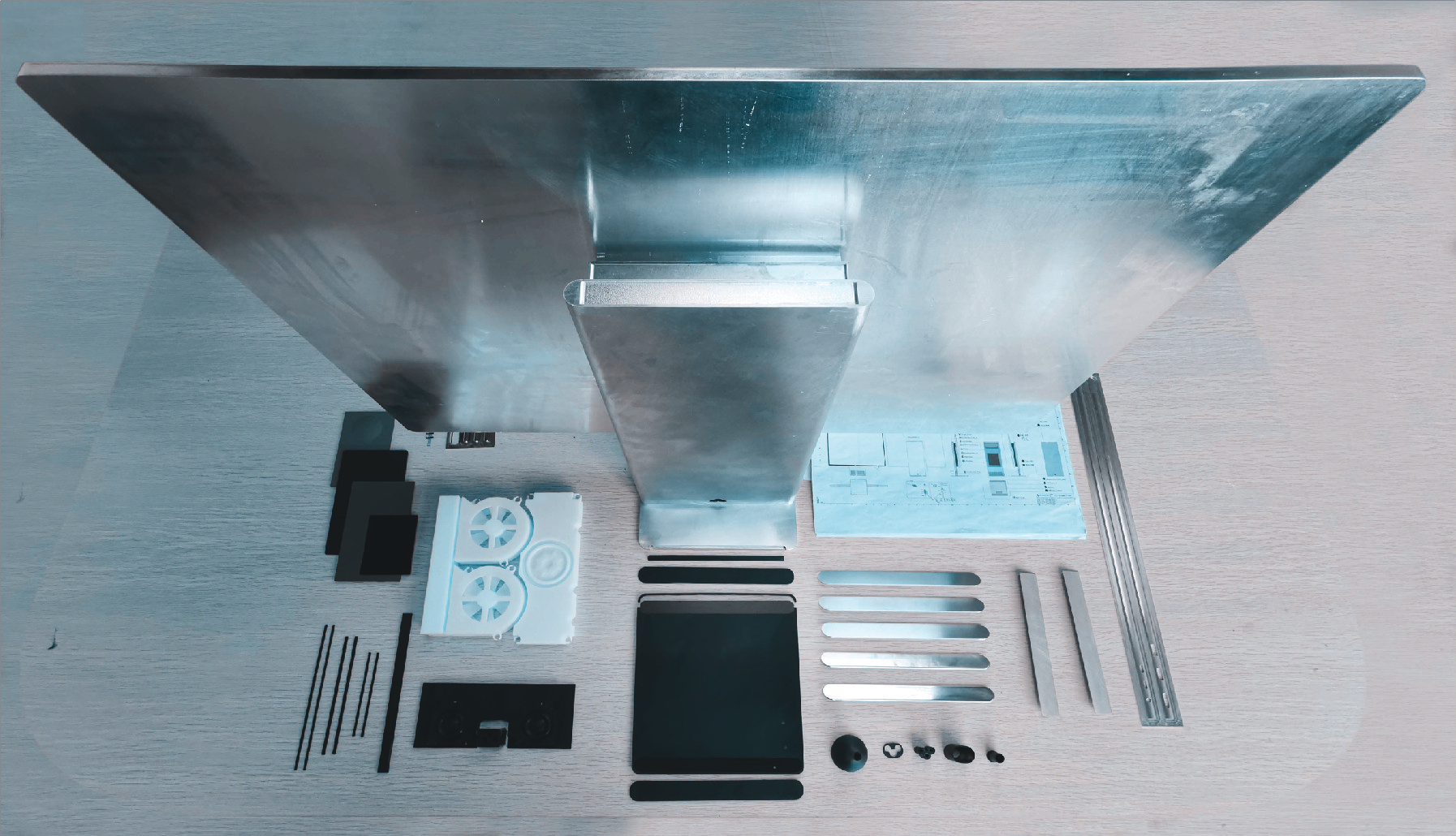
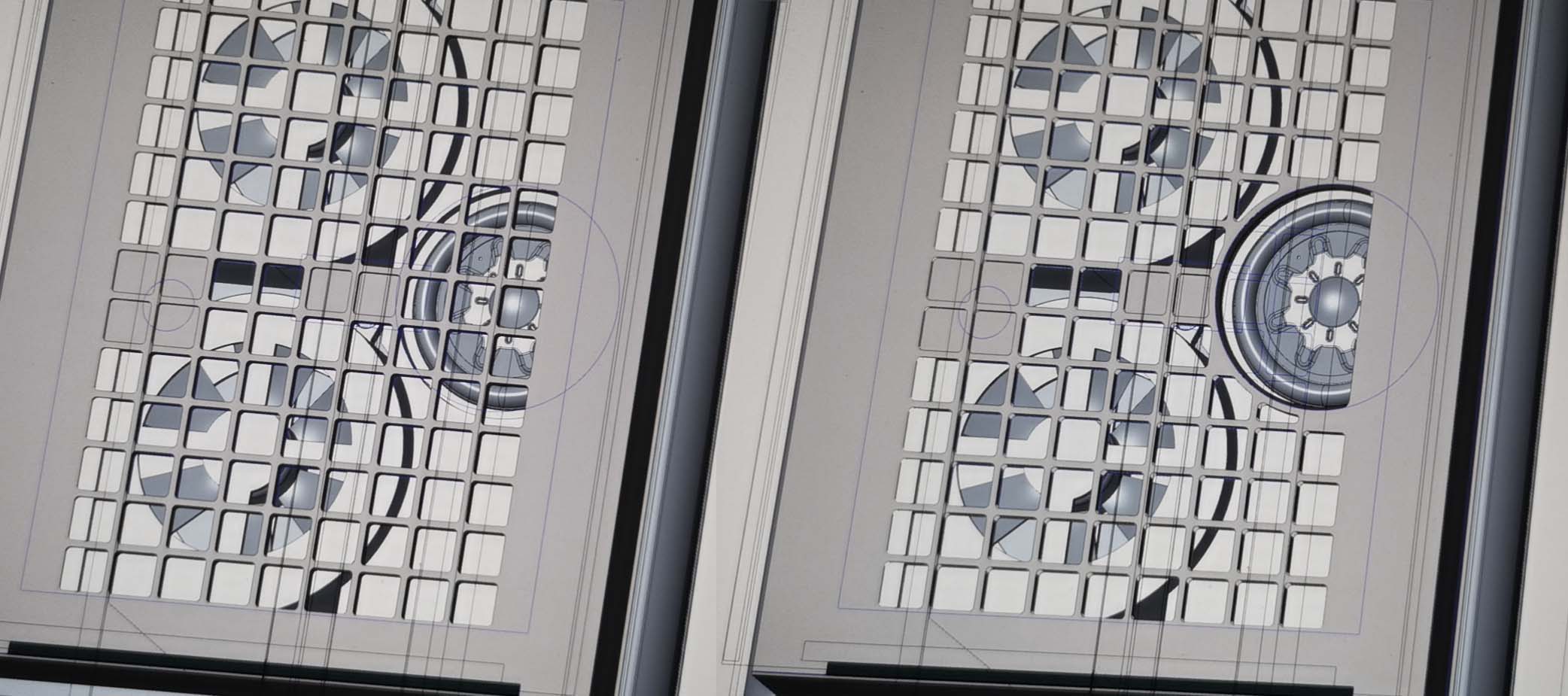
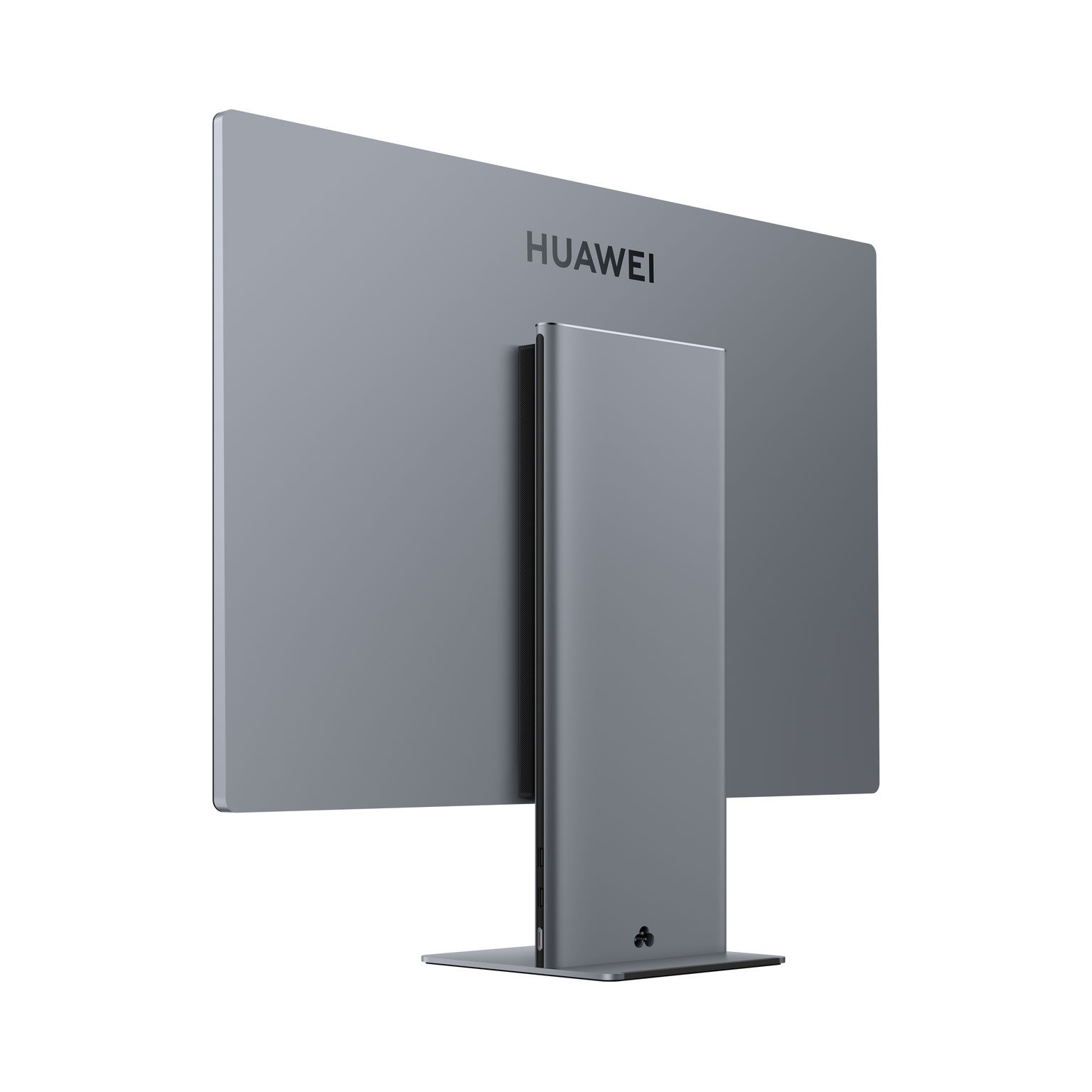
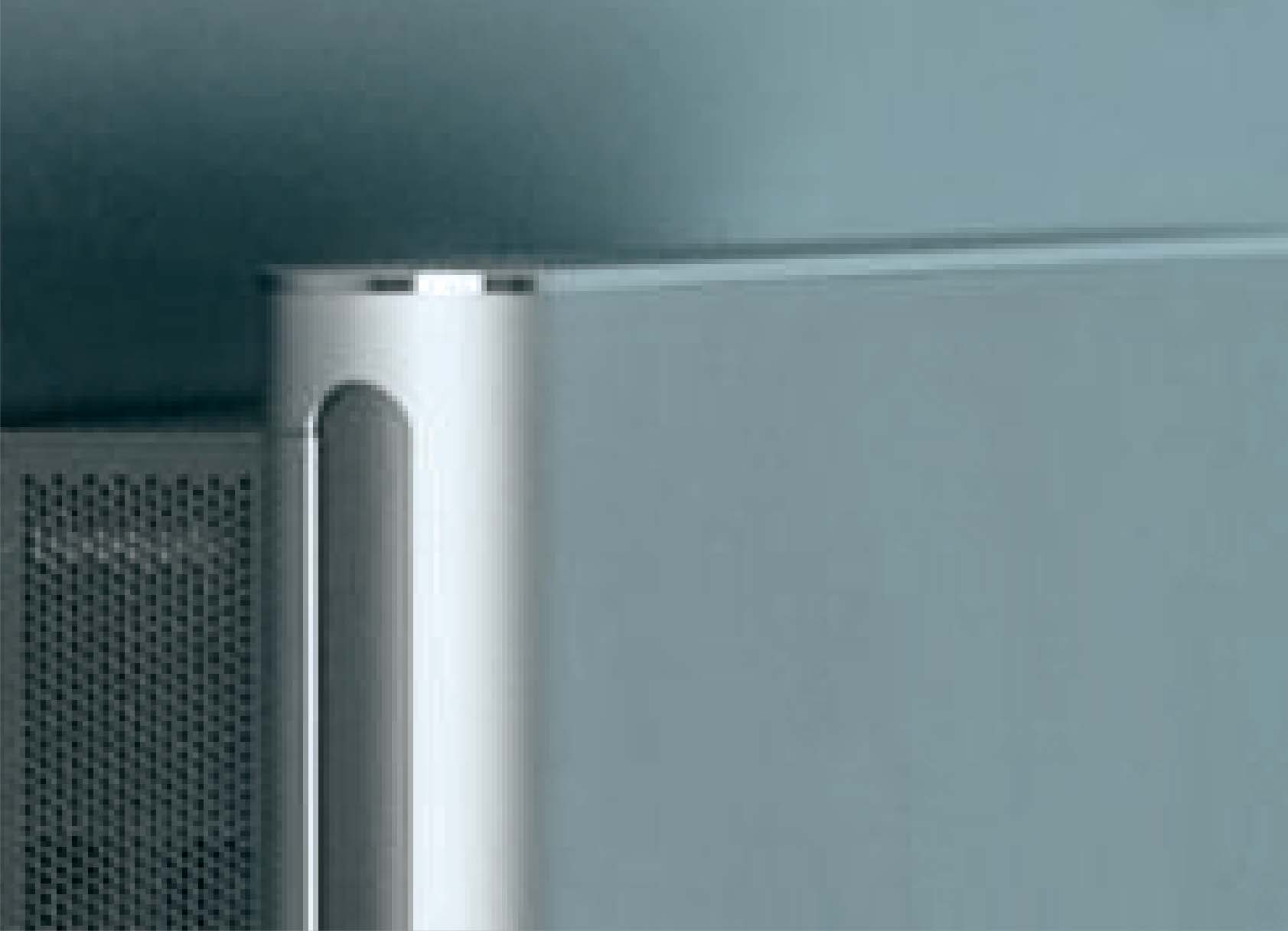
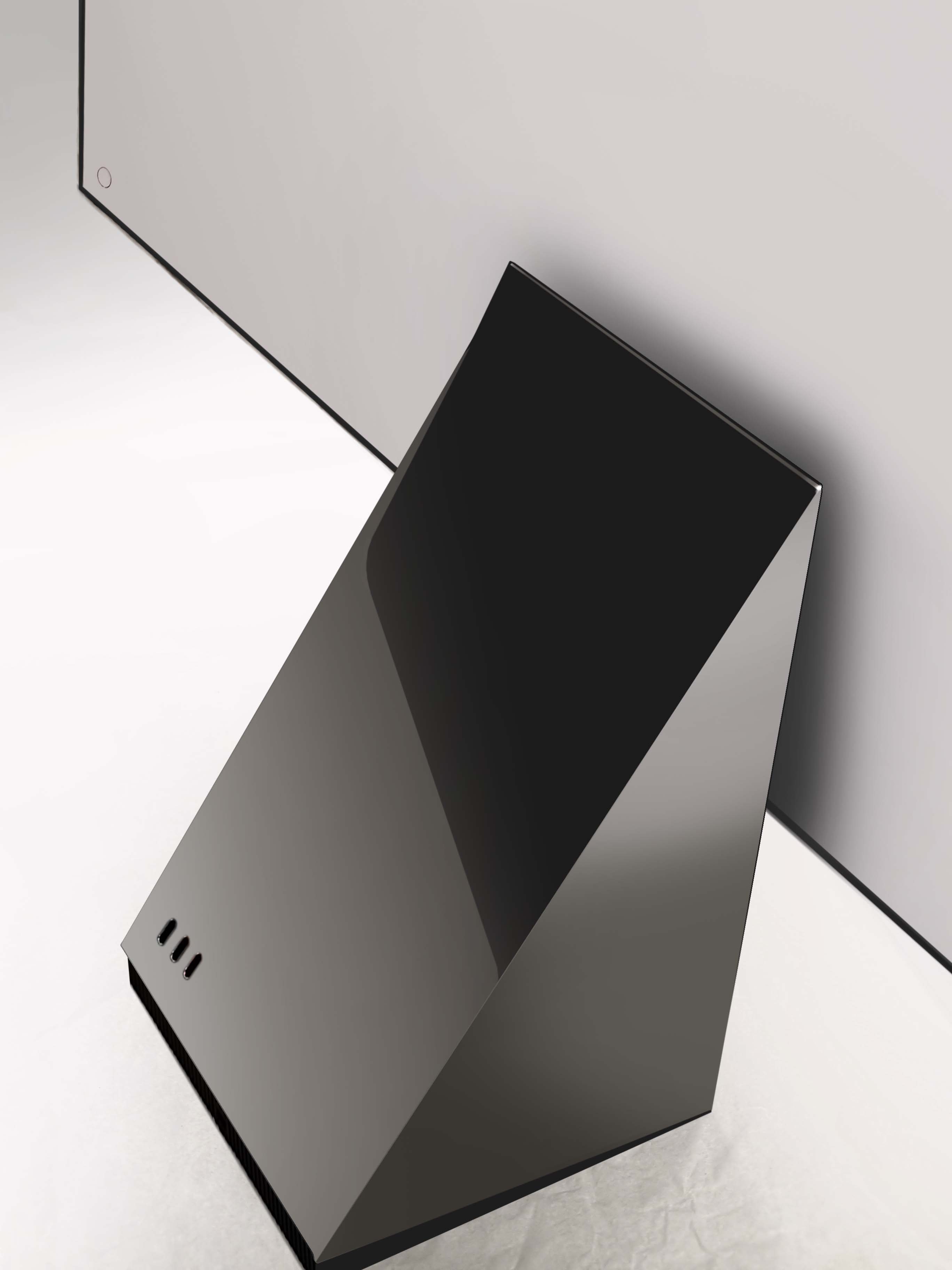
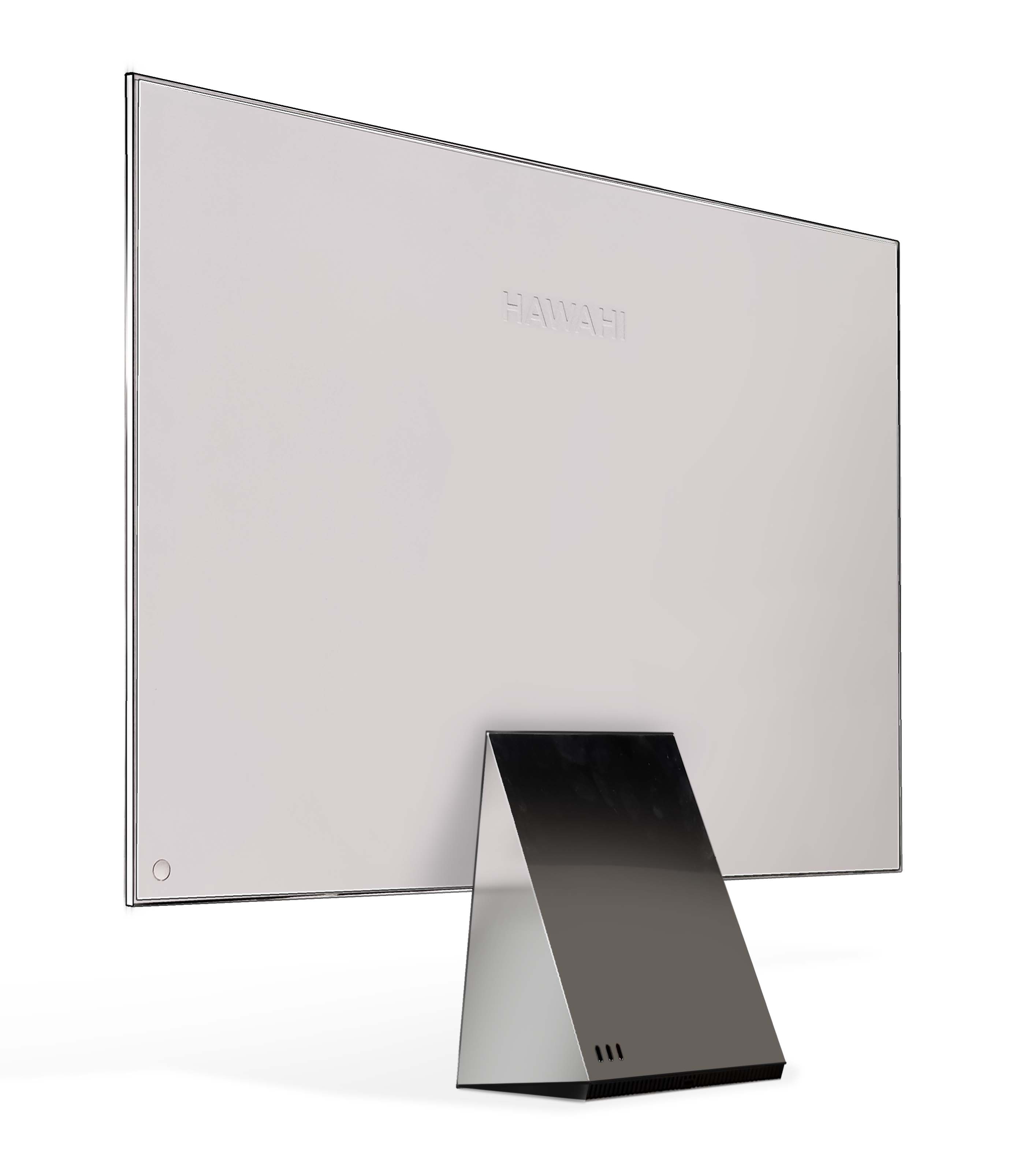
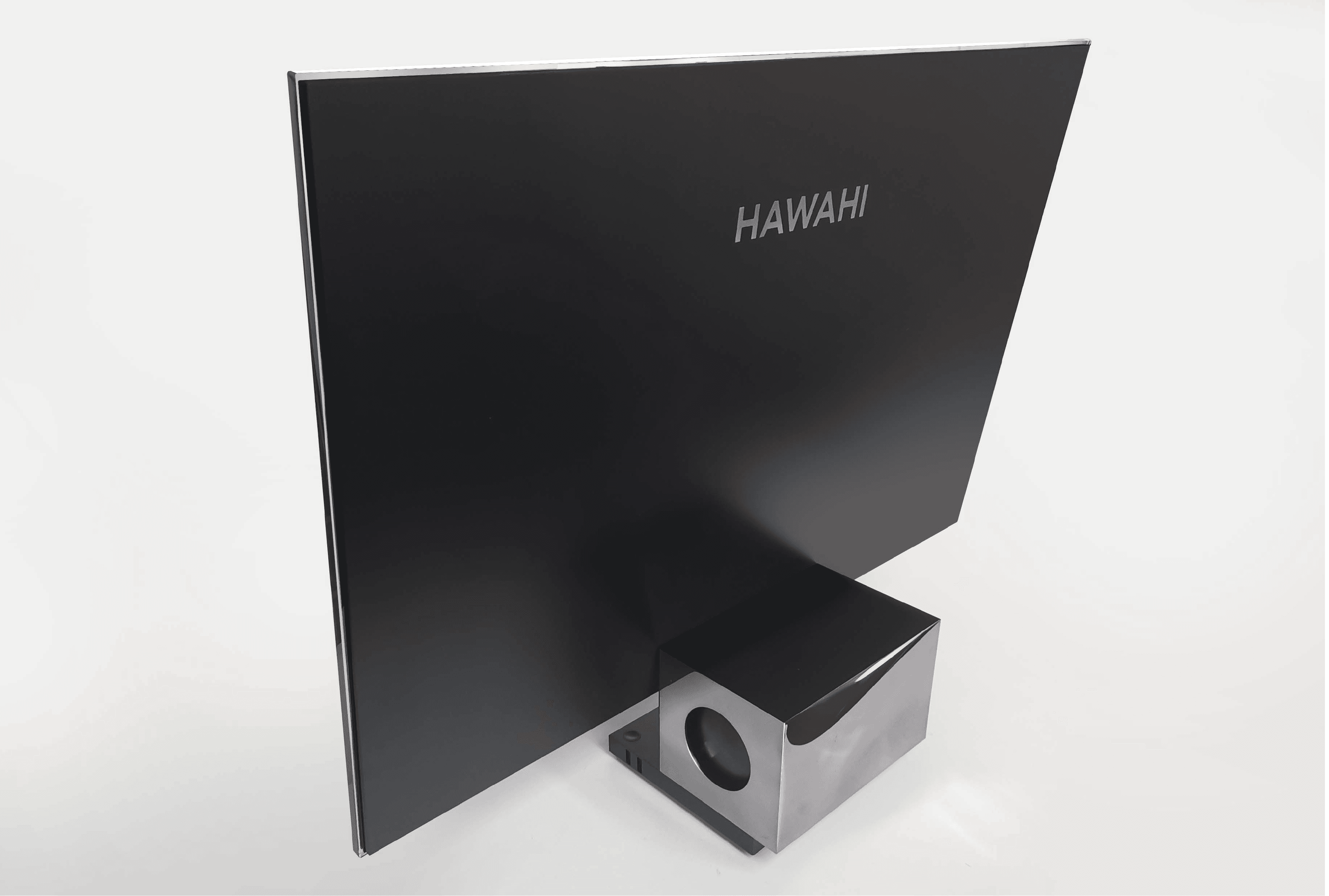
The PC chamber is seamlessly hidden inside the stand, ensuring a tidy and compact design that eliminates unnecessary visual clutter. This integration not only enhances the overall aesthetics but also maximizes desk space, creating a sleek and minimalist workspace. Additionally, an innovative ventilation system has been carefully engineered to channel airflow from right to left efficiently and discreetly, preventing overheating while maintaining a silent operation. The vent placements are strategically designed to promote natural convection, allowing heat to dissipate without compromising the streamlined exterior. This approach ensures that high-performance hardware remains cool under heavy workloads, all while preserving the elegant and refined appearance of the device.
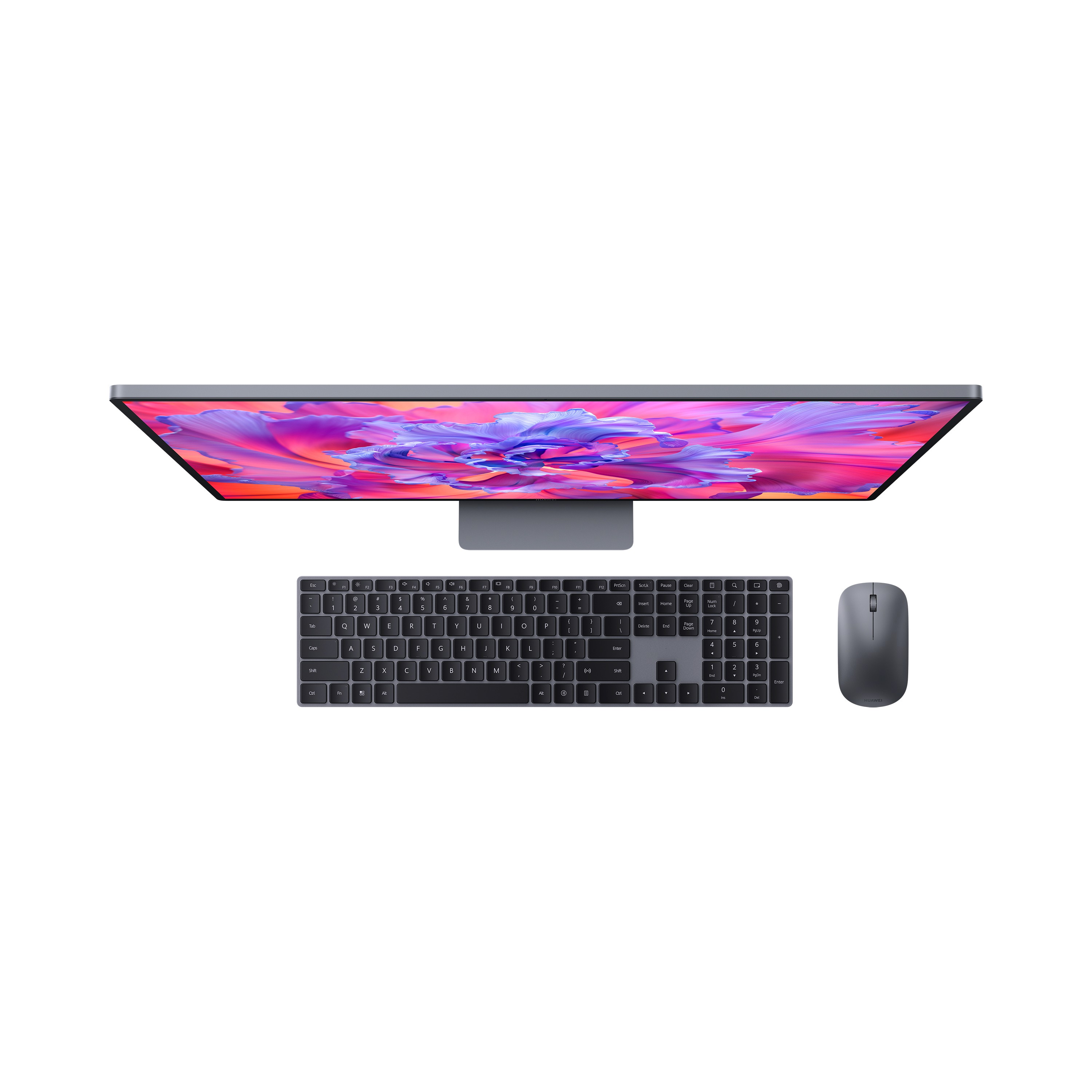
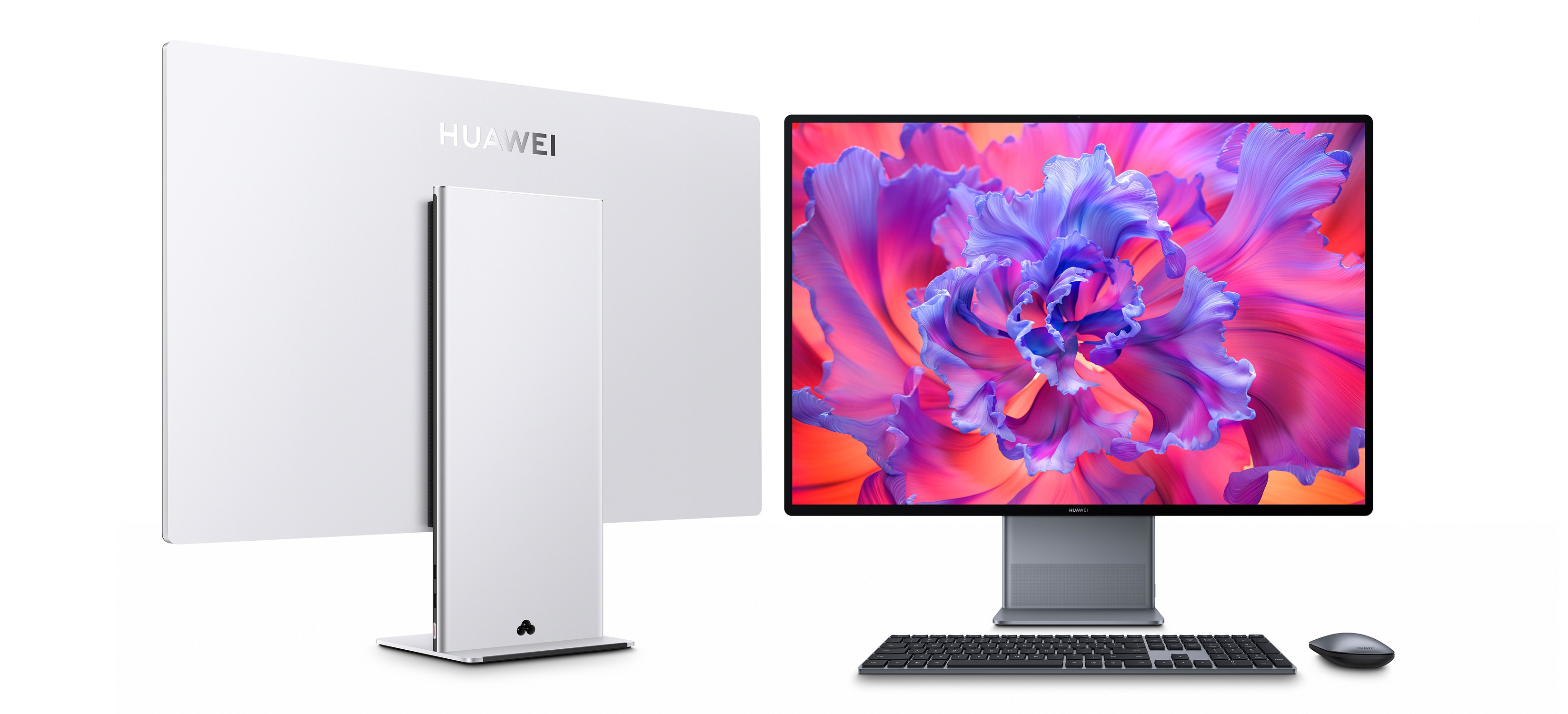
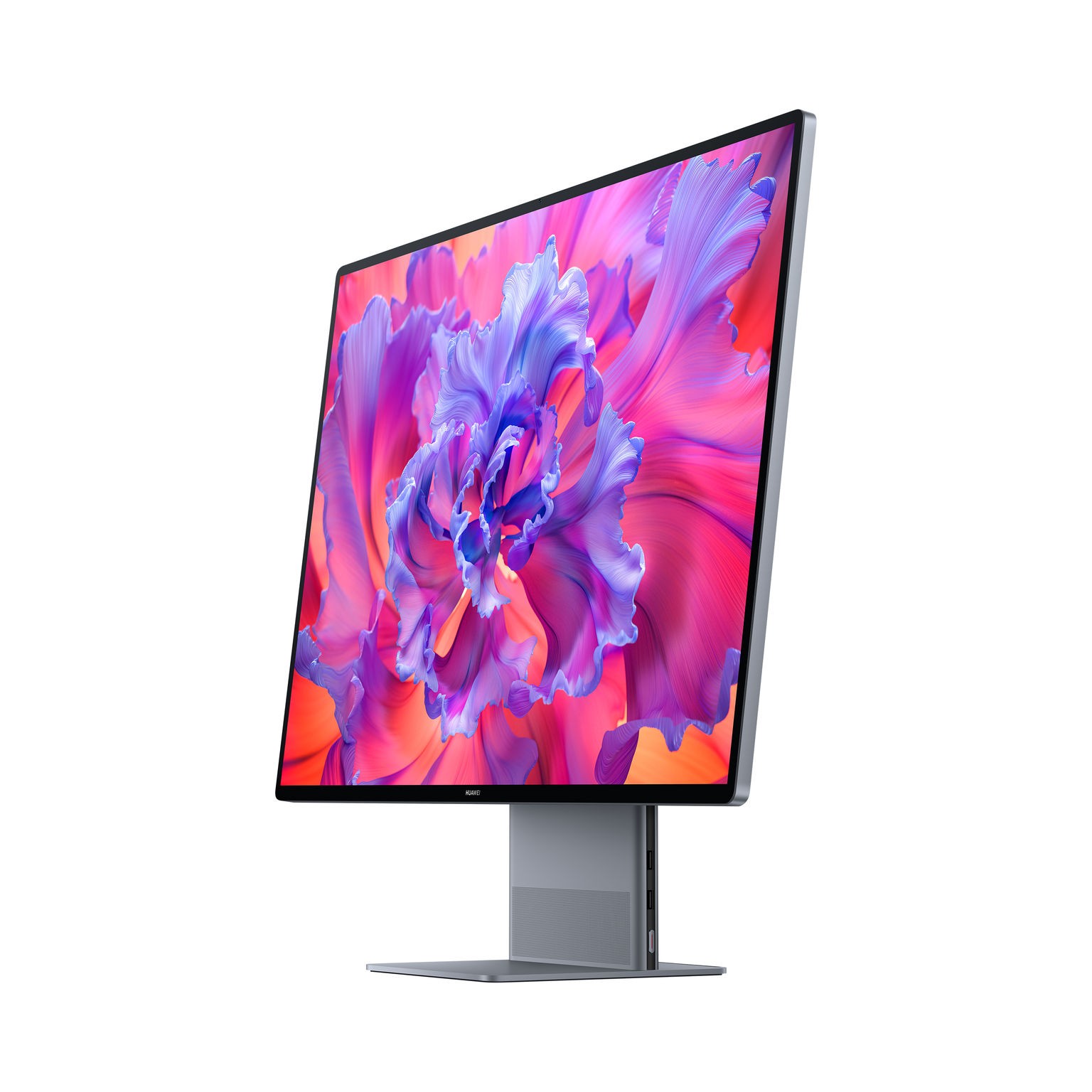
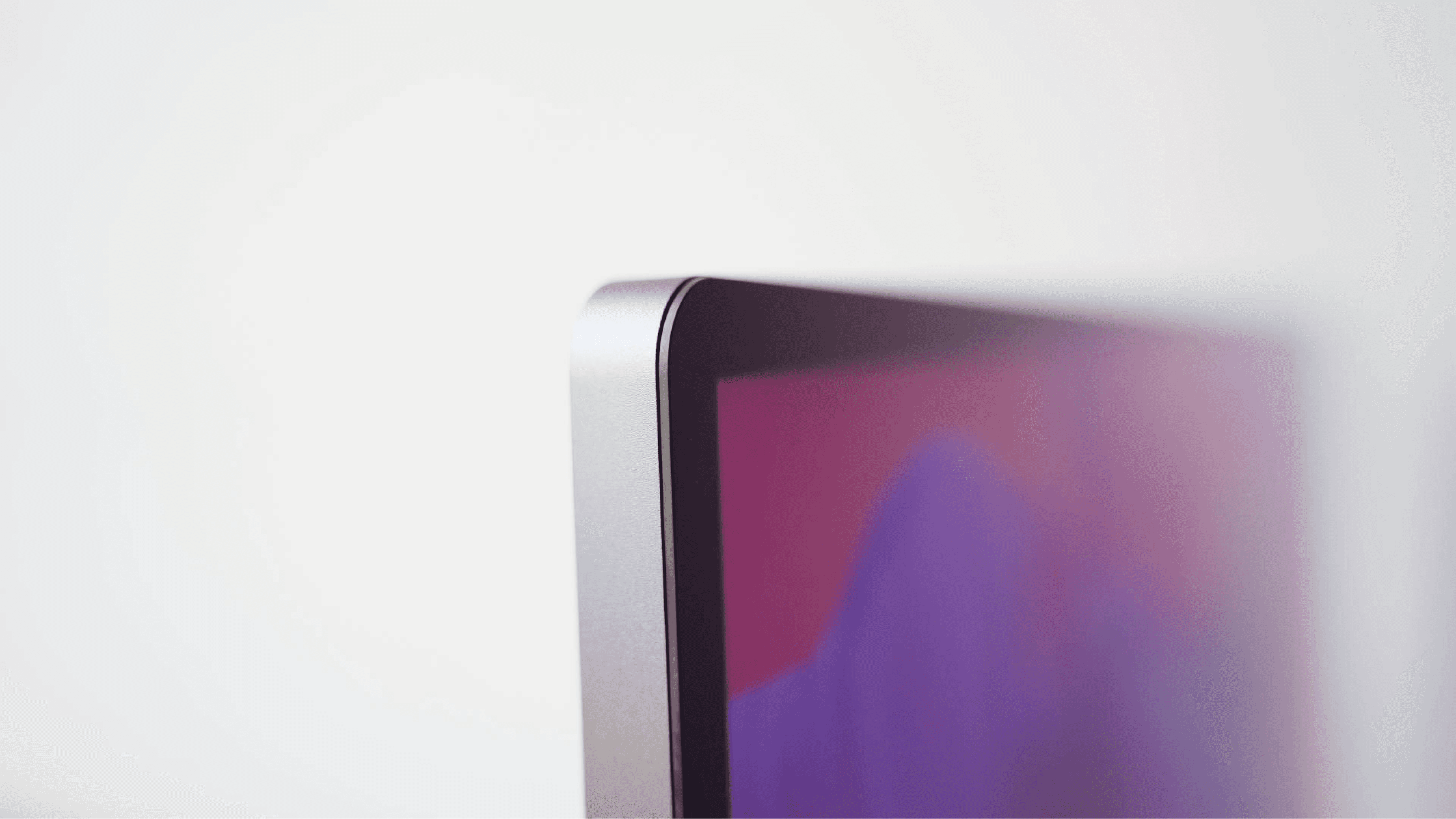
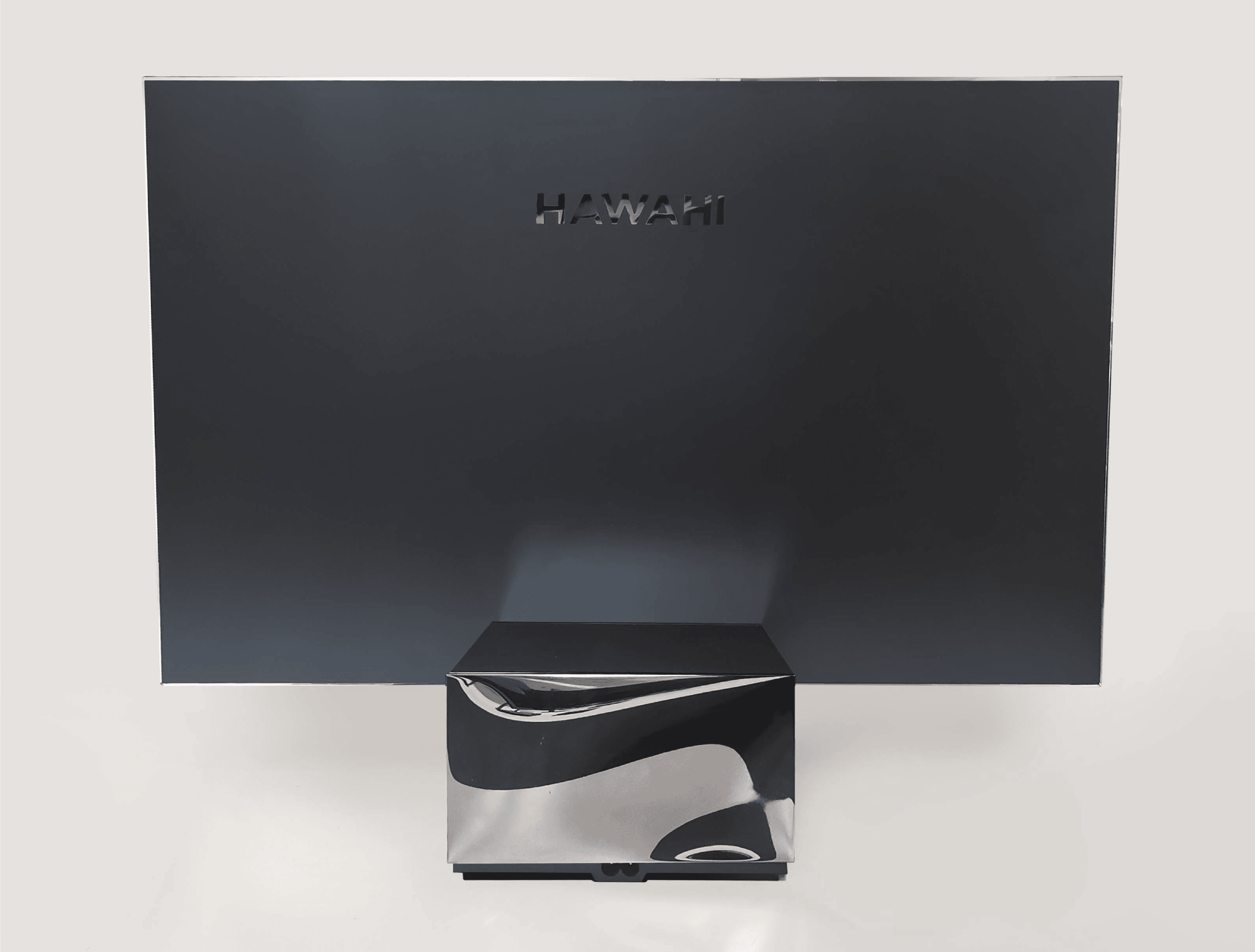
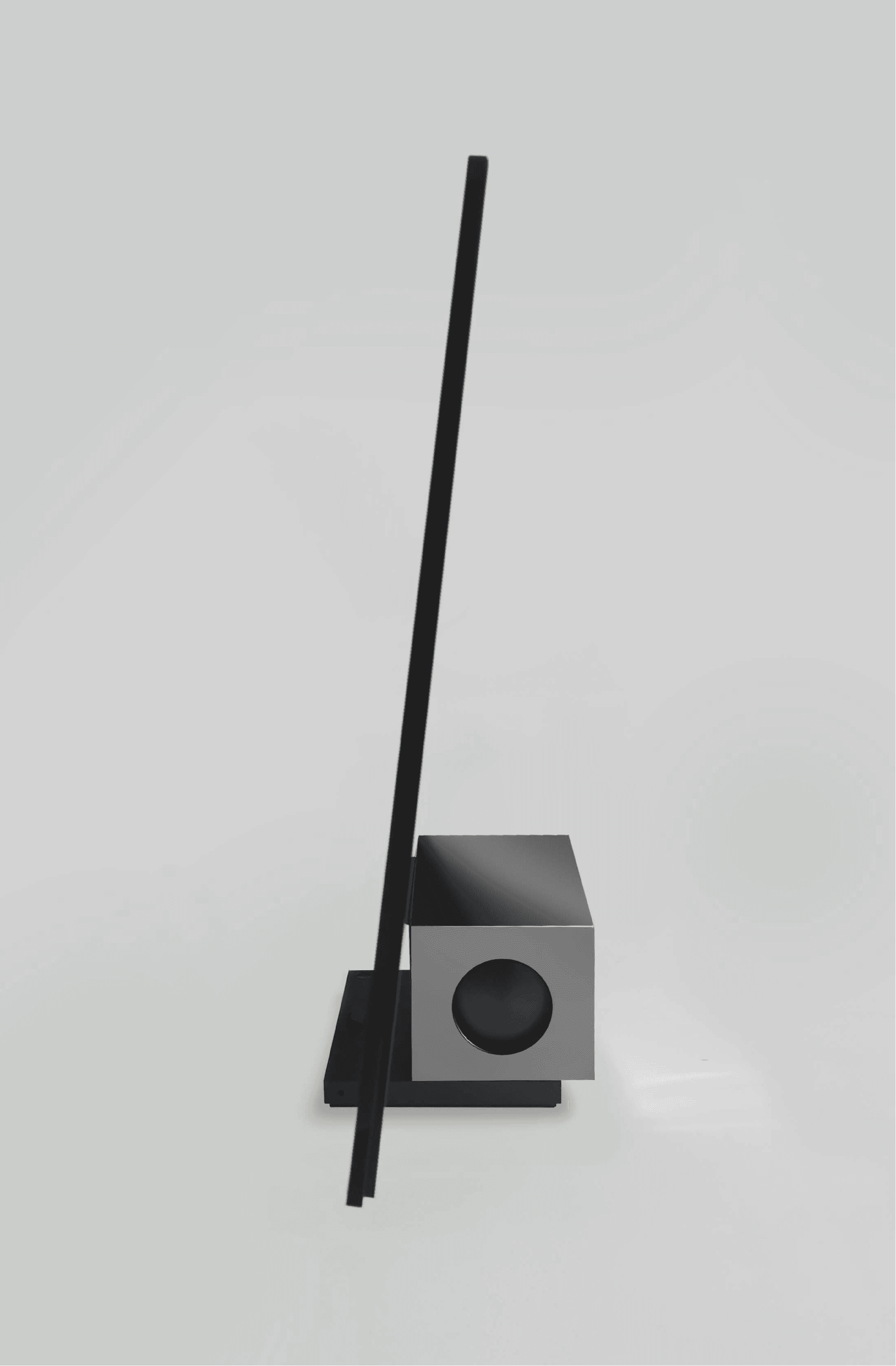
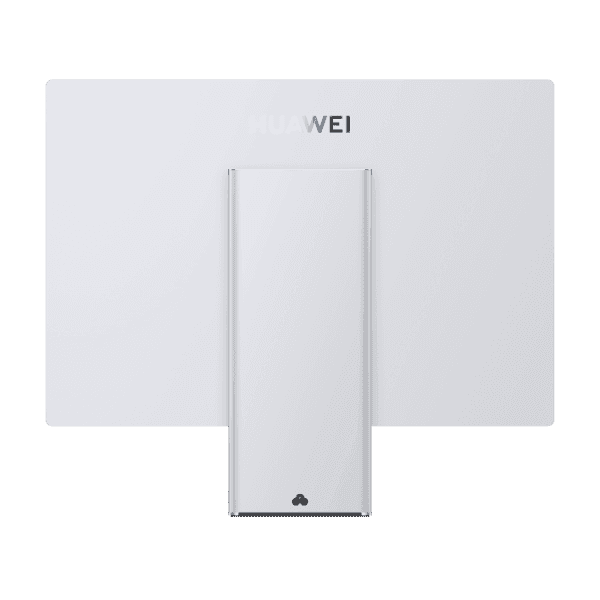
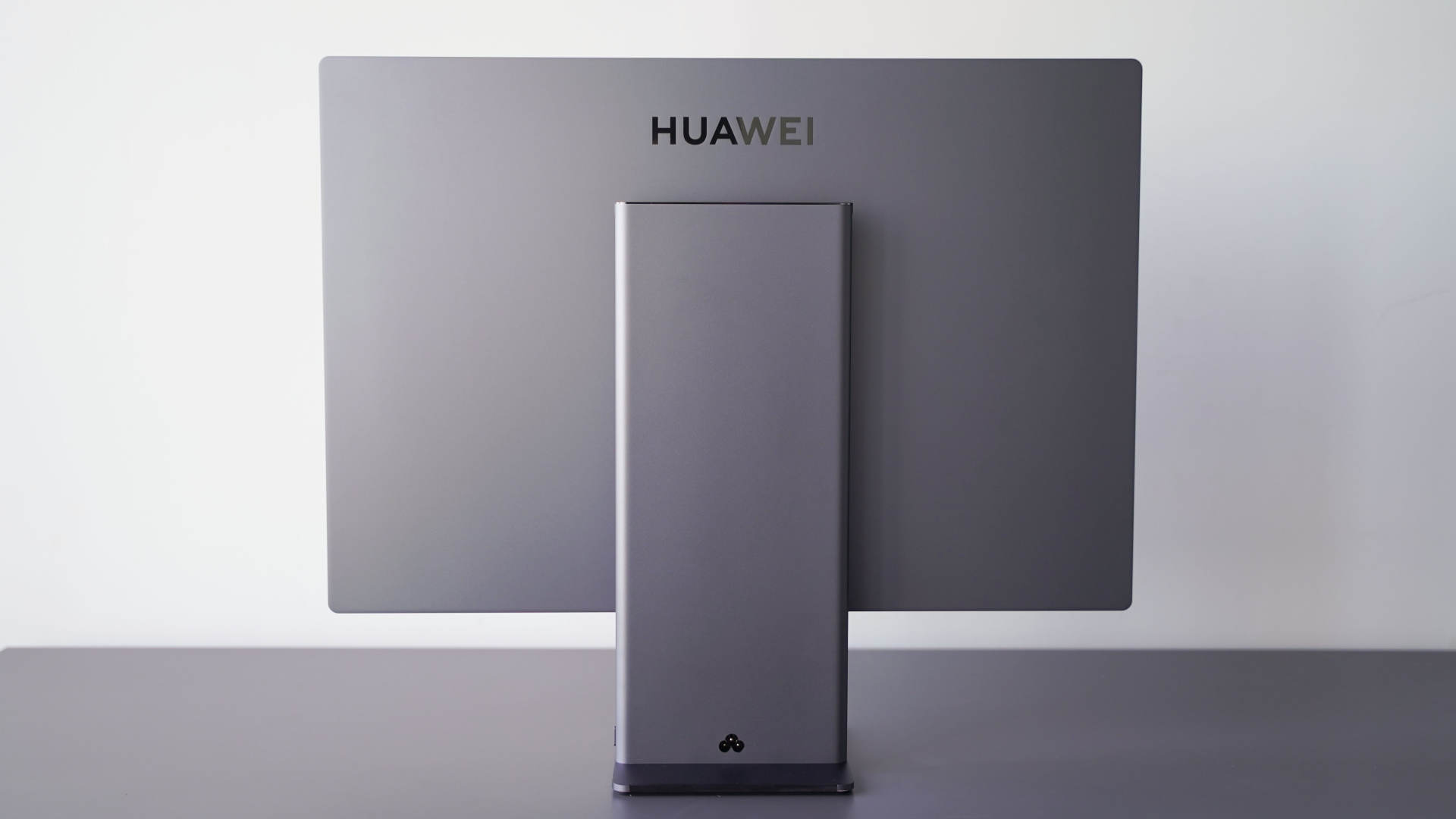
The final product is a true embodiment of simplicity and elegance. The rear cover is impeccably clean, free from any unnecessary visual distractions, creating a refined and harmonious aesthetic. The seamless integration of the stand and main body enhances the overall unity of the all-in-one design, eliminating the bulkiness and clutter often seen in traditional models. Premium metal materials, combined with a meticulously anodized finish, elevate the product’s quality, making it a perfect fit for modern workspaces and high-end environments. Additionally, the carefully engineered ventilation system ensures optimal performance without compromising the purity of the design. The branding is subtle yet sophisticated, further reinforcing the premium feel. This product is not just a functional device—it is a perfect blend of advanced technology and design excellence, reflecting Huawei’s design philosophy of brilliance, purity, and simplicity.
Pure and Neat Design
J O H N S O N S H I H
I N D U S T R I A L D E S I G N