ASUS
Airo Concept
Innovate,
Elevate,Transform
Innovative Thinking in Design. Thermal issues have always been a key challenge in laptop design, becoming more prominent as performance and specifications improve. This design presents an excellent solution through a breakthrough mechanism and innovative approach, utilizing natural airflow for efficient heat dissipation.
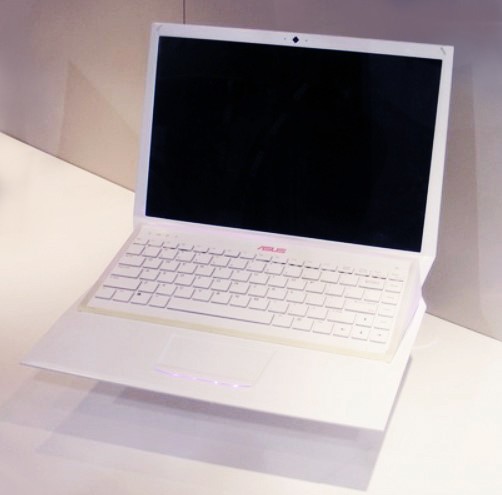
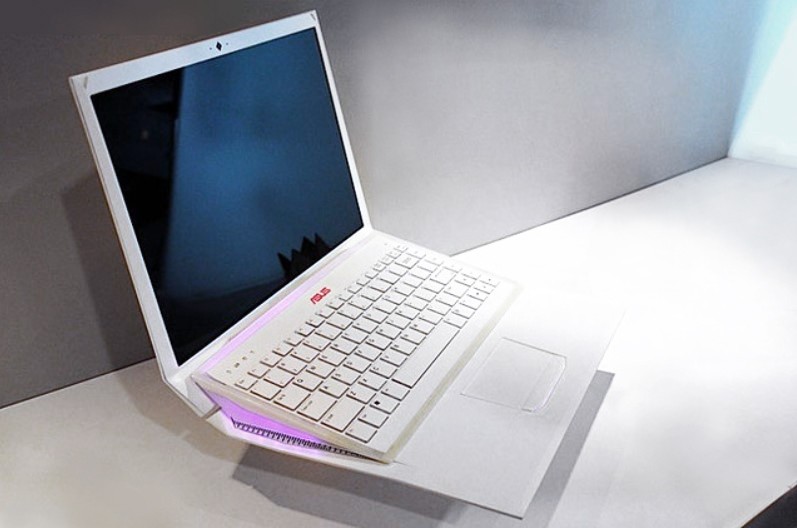
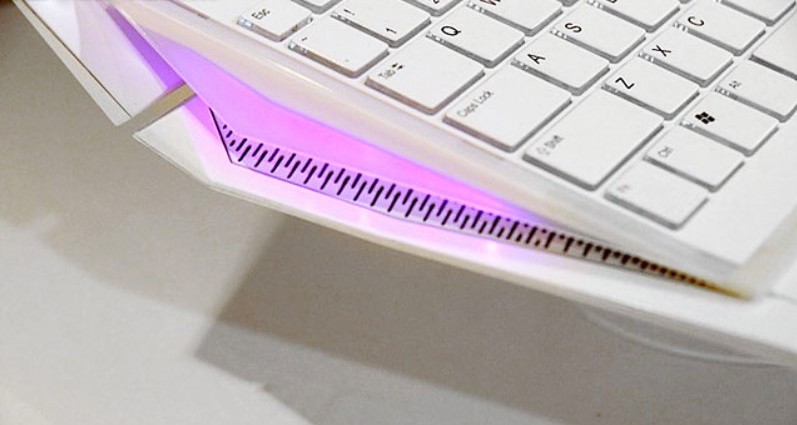
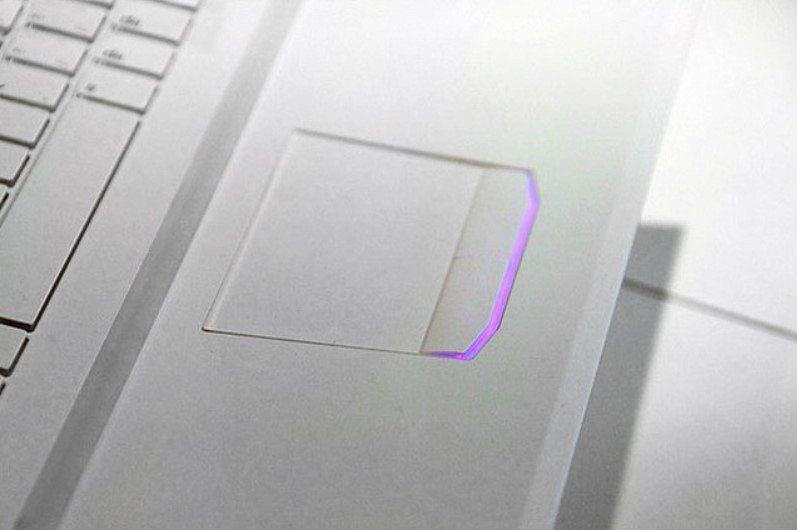
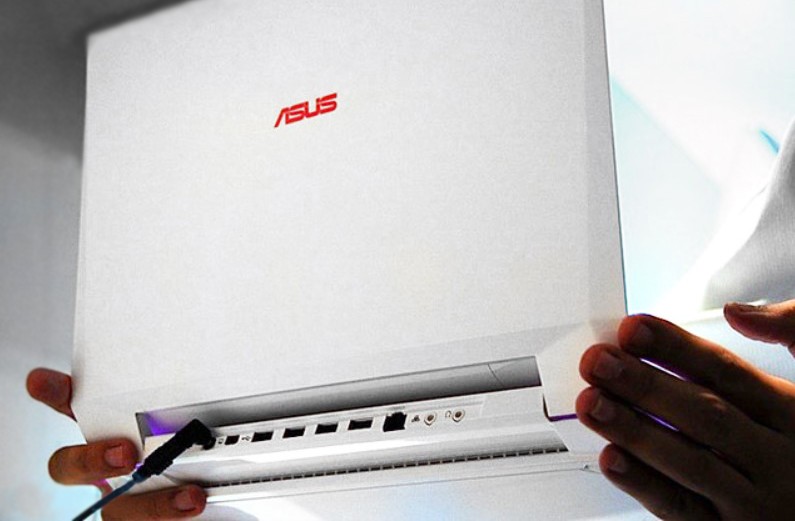

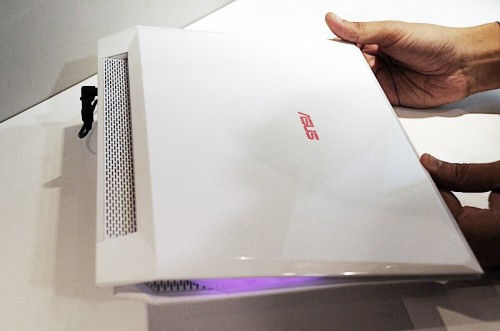
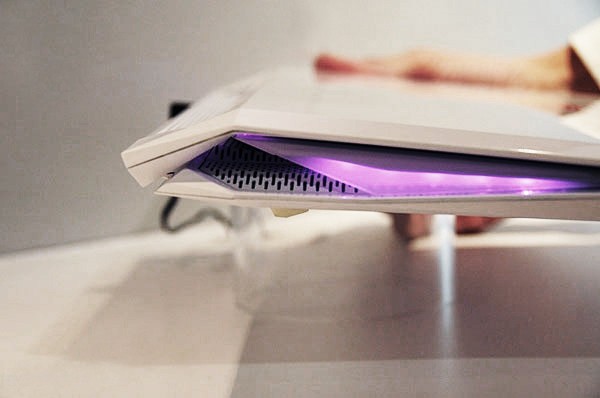

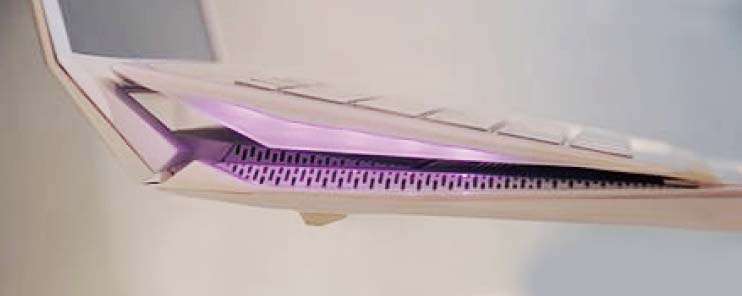
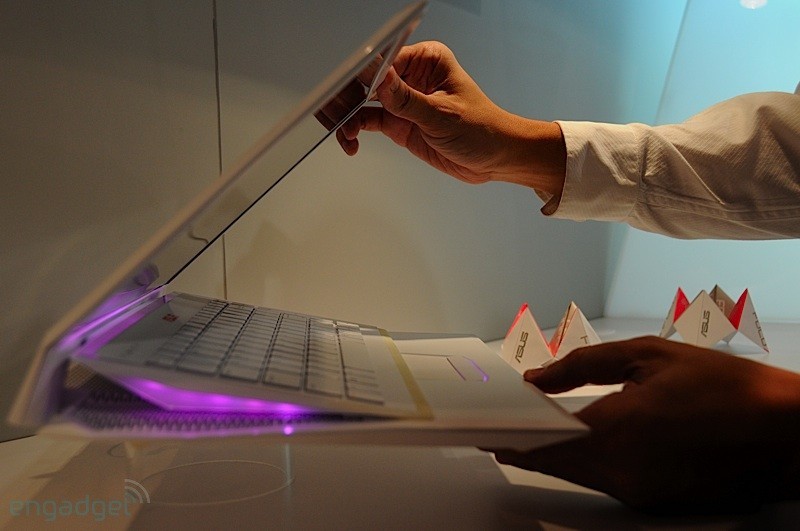
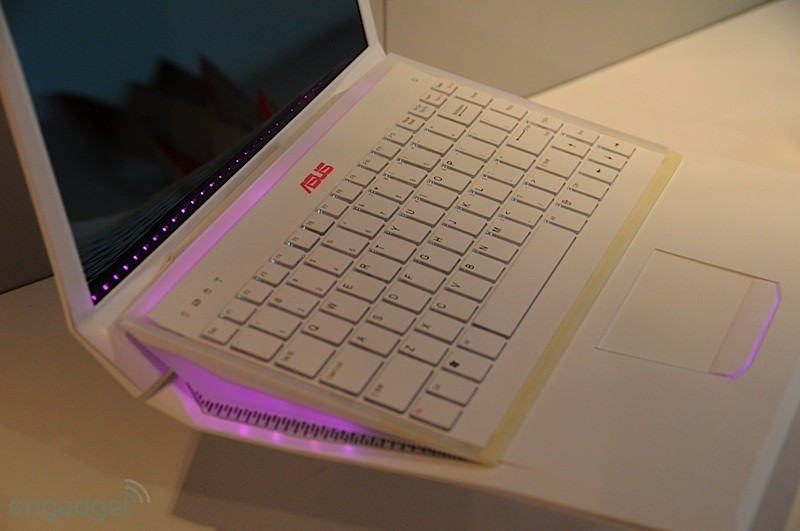
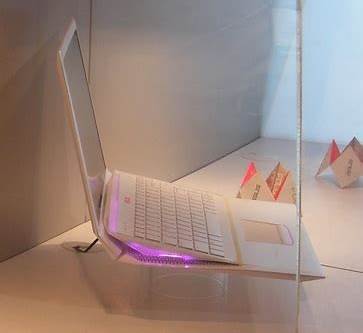
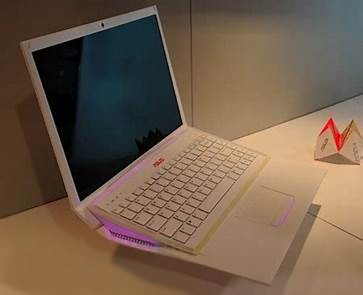
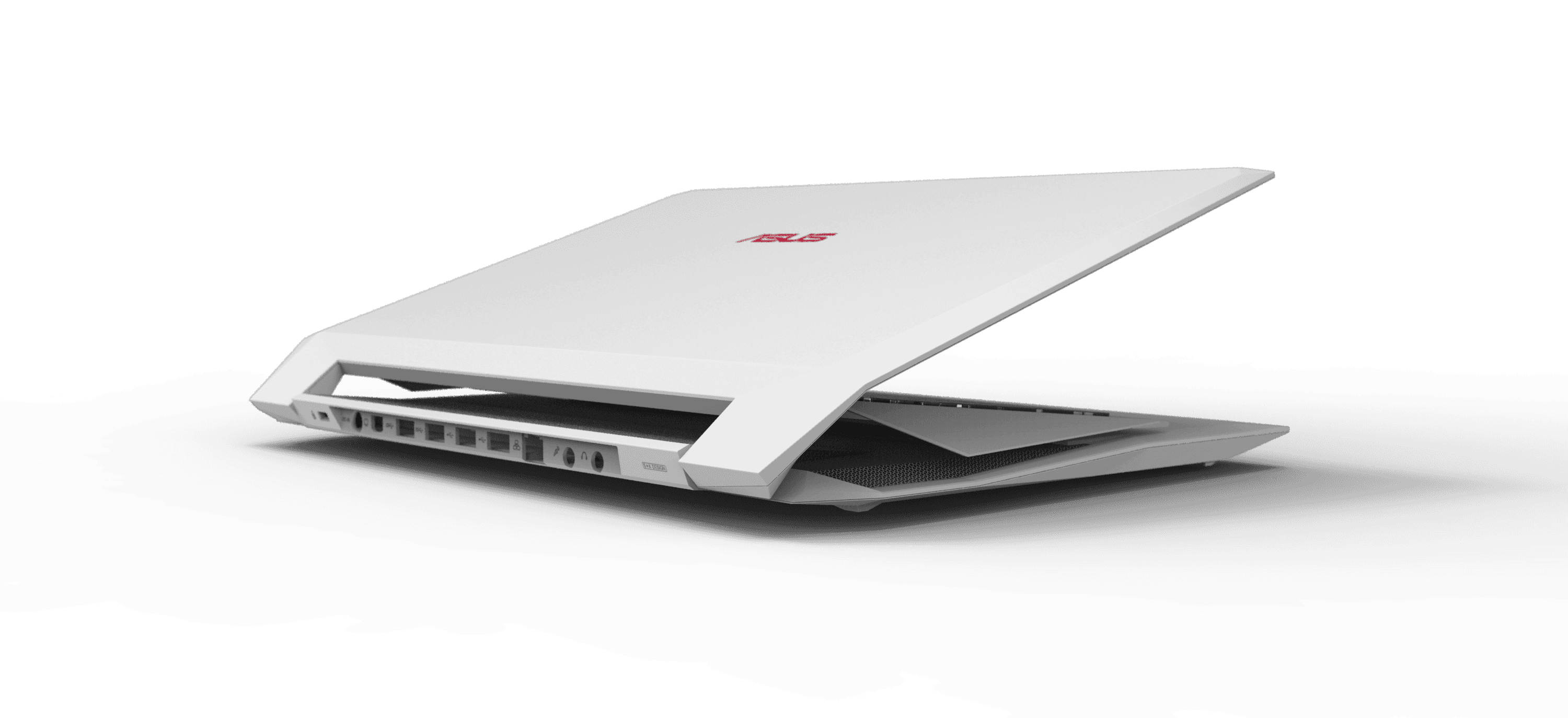
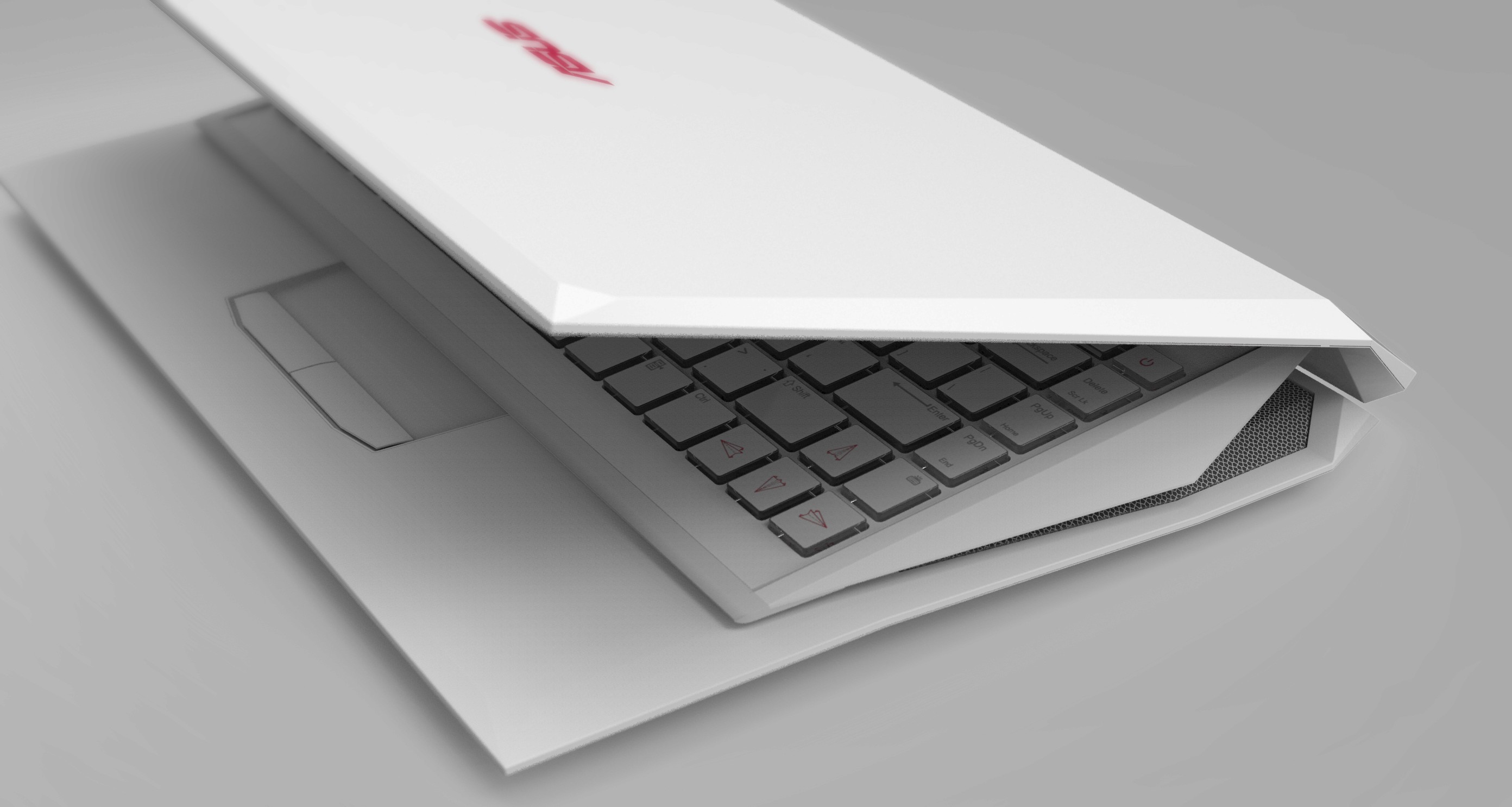
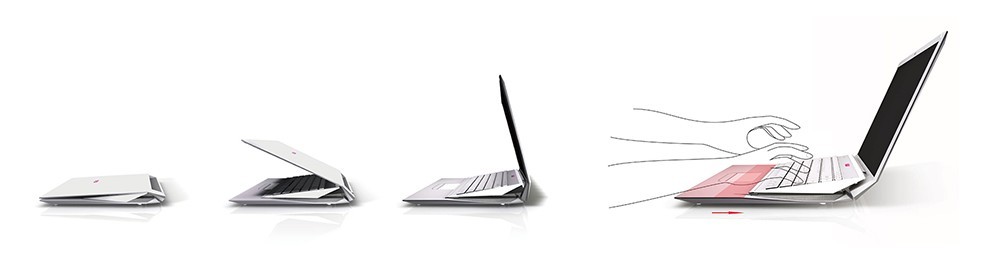
AIRO features an ingenious folding mechanism that elevates the keyboard when the display is opened. This creates a cavity beneath the keyboard, allowing heat from internal components to dissipate efficiently. By reducing internal temperatures, AIRO enhances reliability, performance, and overall lifespan.
AIRO: A Revolutionary Folding Mechanism for Enhanced Performance
As modern laptops continue to push the boundaries of high performance, they also generate increasing amounts of heat, leading to significant energy dissipation. Most laptops are designed with a focus on thinness and portability, which often restricts the potential for efficient thermal management. To compensate for these limitations, traditional designs rely heavily on internal fans and active cooling systems, which consume additional energy and reduce battery life. This not only impacts efficiency but also contributes to unnecessary energy waste, making the overall system less environmentally friendly.
Design Background
Balancing Performance and Energy Efficiency
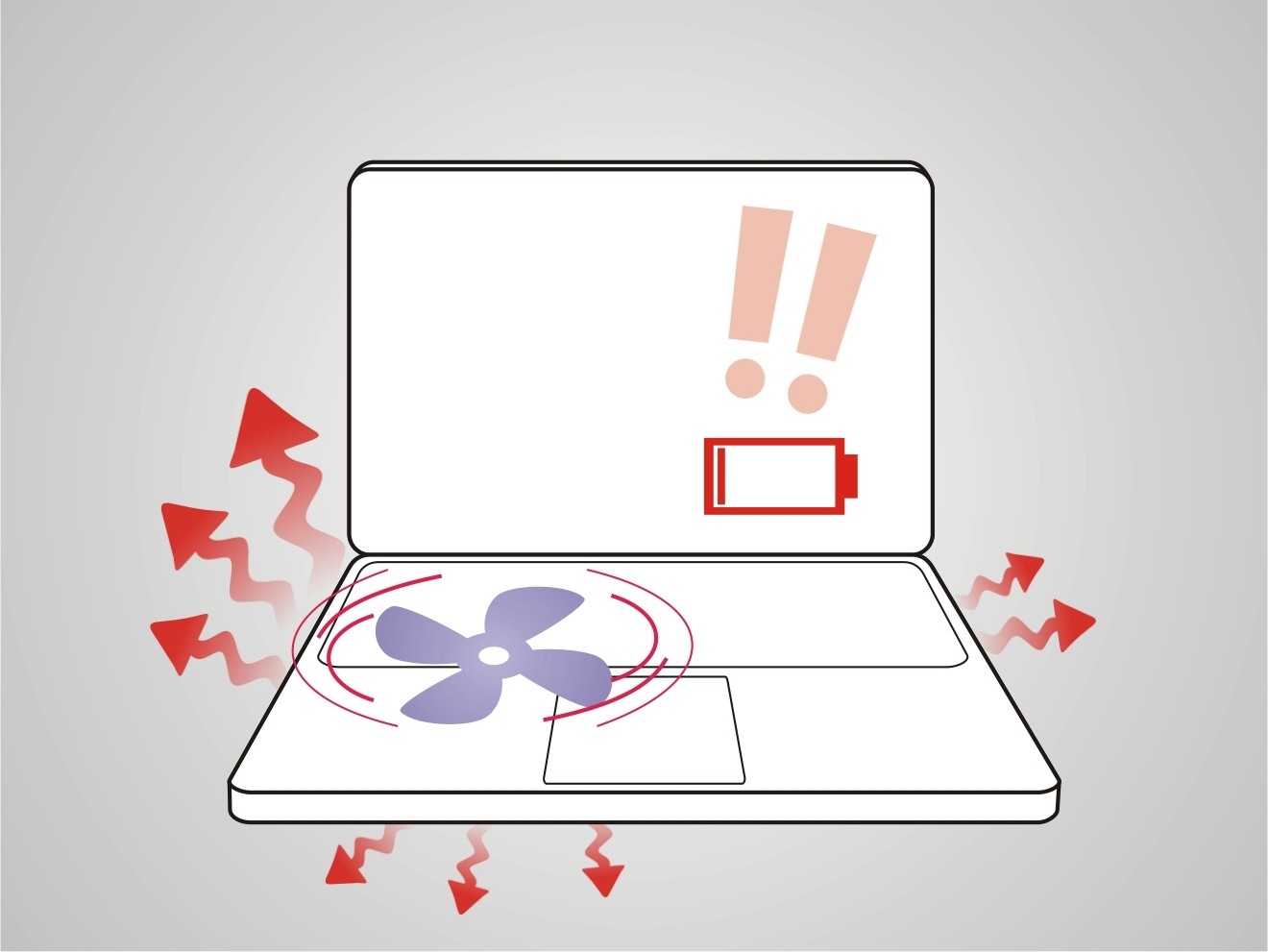
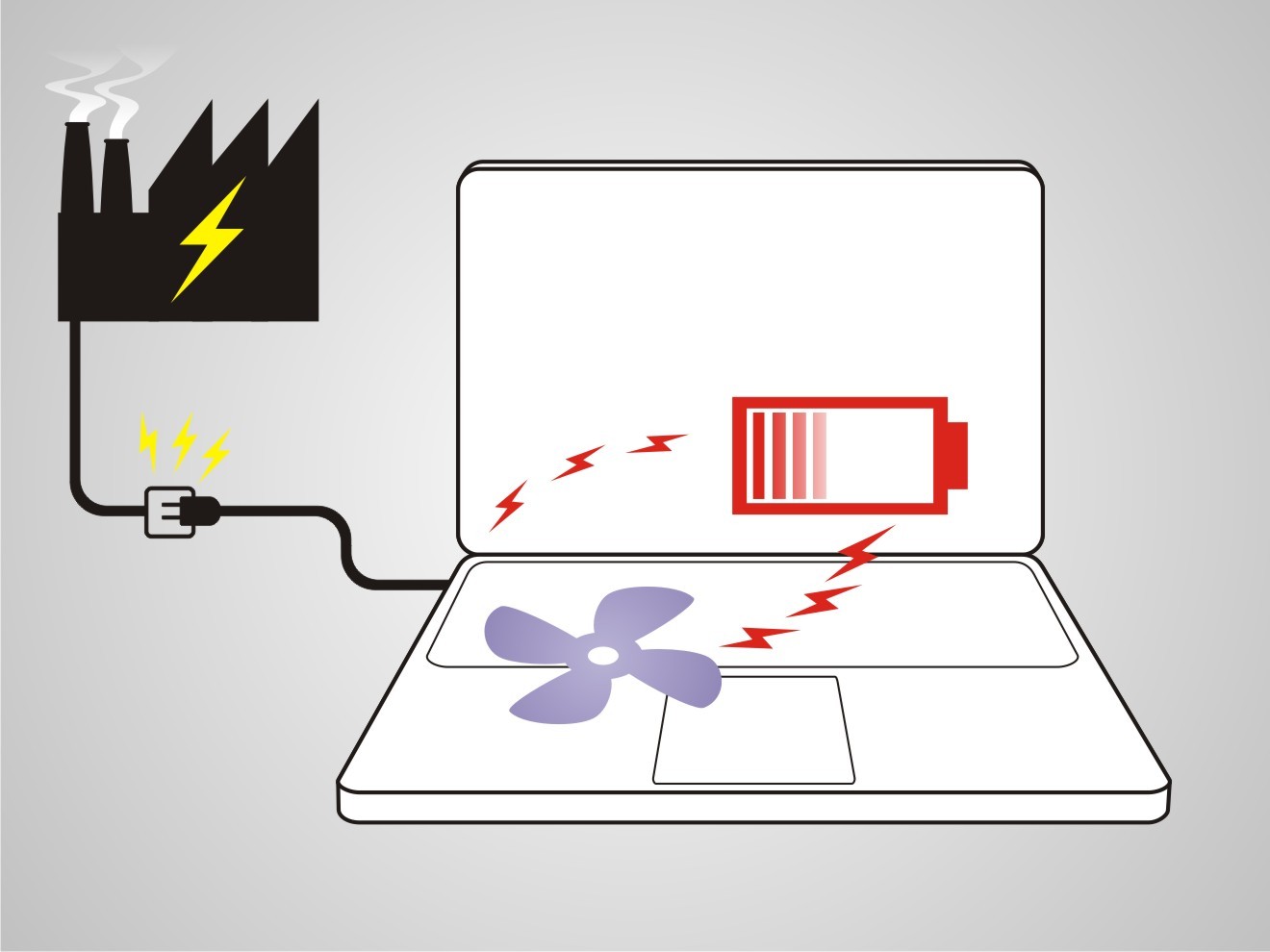
ASUS recognizes this challenge and aims to address it through innovative design. Instead of merely increasing cooling power, ASUS integrates energy efficiency and sustainability directly into the design process. The AIRO concept is a prime example of this approach, optimizing airflow and reducing reliance on active cooling mechanisms. By improving natural heat dissipation, AIRO not only enhances performance and extends battery life but also significantly reduces energy consumption, aligning with ASUS’s commitment to eco-friendly innovation.
This design rethinks the relationship between performance and sustainability, demonstrating that high efficiency and environmental responsibility can coexist in modern computing. Through AIRO, ASUS is not only improving user experience but also pioneering a smarter, greener future for laptop technology.

The idea first came to me on a bus ride home, where I instinctively sketched a rough concept in my notebook. Though the initial drawings lacked precise proportions, they captured the essence of an innovation—one that seamlessly integrates thermal management with an improved user experience.
At the core of the design is a simple yet powerful observation: every time a user opens a laptop, they are already performing a mechanical action. This natural motion presents an opportunity to introduce a functional transformation—one that enhances both usability and performance without requiring additional effort from the user.
Inspiration Behind the Concept
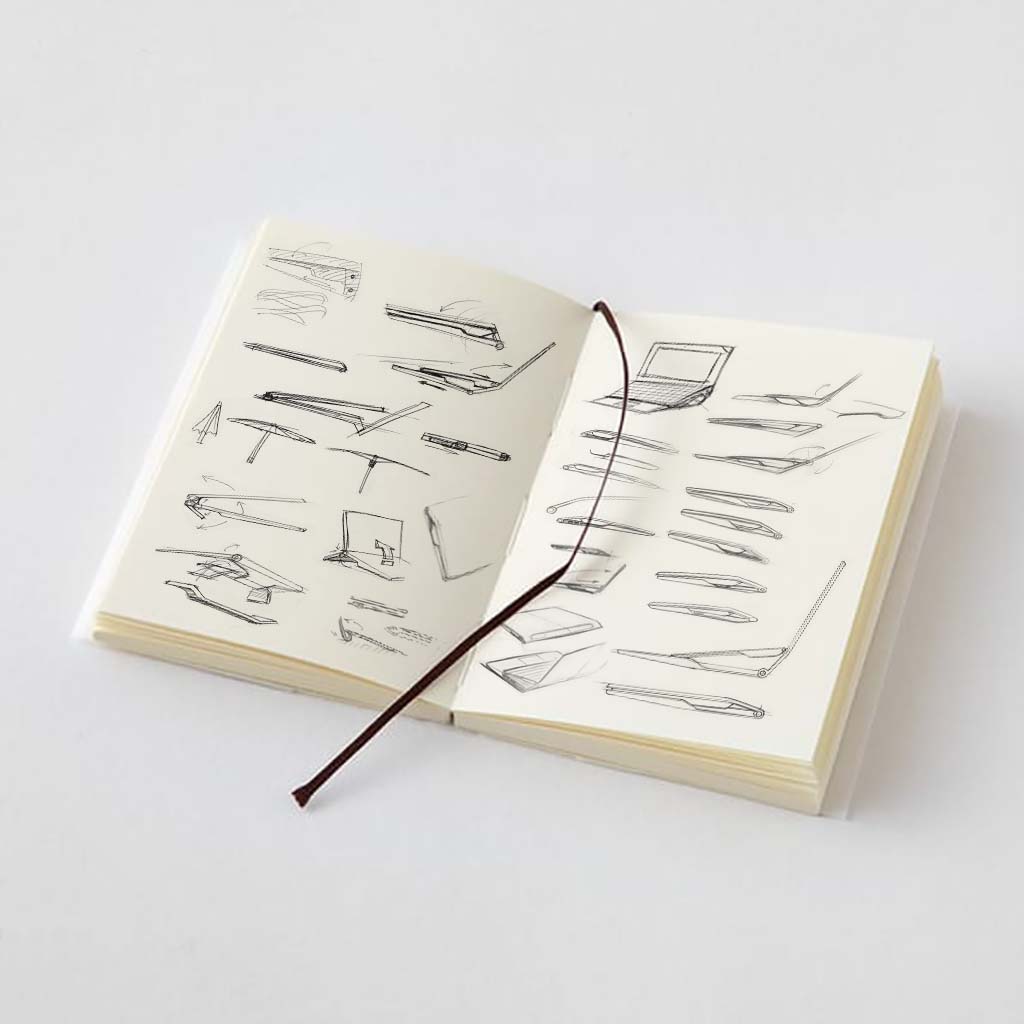
By leveraging the opening motion of the display, AIRO's keyboard smoothly lifts and retracts, creating an angular space underneath. This not only improves ergonomics by elevating the keyboard to a more comfortable typing position but also serves as a passive cooling mechanism. As the keyboard rises, it increases airflow efficiency, allowing warm air to escape while drawing in cooler air naturally. Unlike conventional laptop cooling designs that rely solely on internal fans, AIRO utilizes the user's habitual motion to facilitate heat dissipation, reducing the need for excessive power consumption.
This design thinking extends beyond just function—it reflects a shift toward intuitive, user-driven engineering. Rather than forcing additional design elements that might complicate usability, AIRO embraces an elegant, motion-activated system that enhances the product’s efficiency while maintaining a seamless and aesthetically refined form. This concept not only improves thermal performance but also aligns with ASUS’s vision of sustainable and energy-efficient technology.

ASUS’ annual design theme focuses on environmental awareness, introducing a concept centered around paper as a creative material. As one of the key eco-friendly materials today, paper inspires our approach to sustainability—guiding our choices in materials, forms, and even the overall aesthetic direction. By selecting sustainable materials and incorporating the artistic qualities of paper, we aim to present a unique aesthetic. Drawing from this inspiration, we create designs that integrate eco-friendly materials, energy-saving functionalities, and the artistic beauty of sustainable design.
ASUS Presenting
Theme :
Eco-friendly
to Environment
Eco-friendly
Material:
PAPER
Art of PAPER
Origami
Our Thinking:
What can we think more for the Design of PAPER
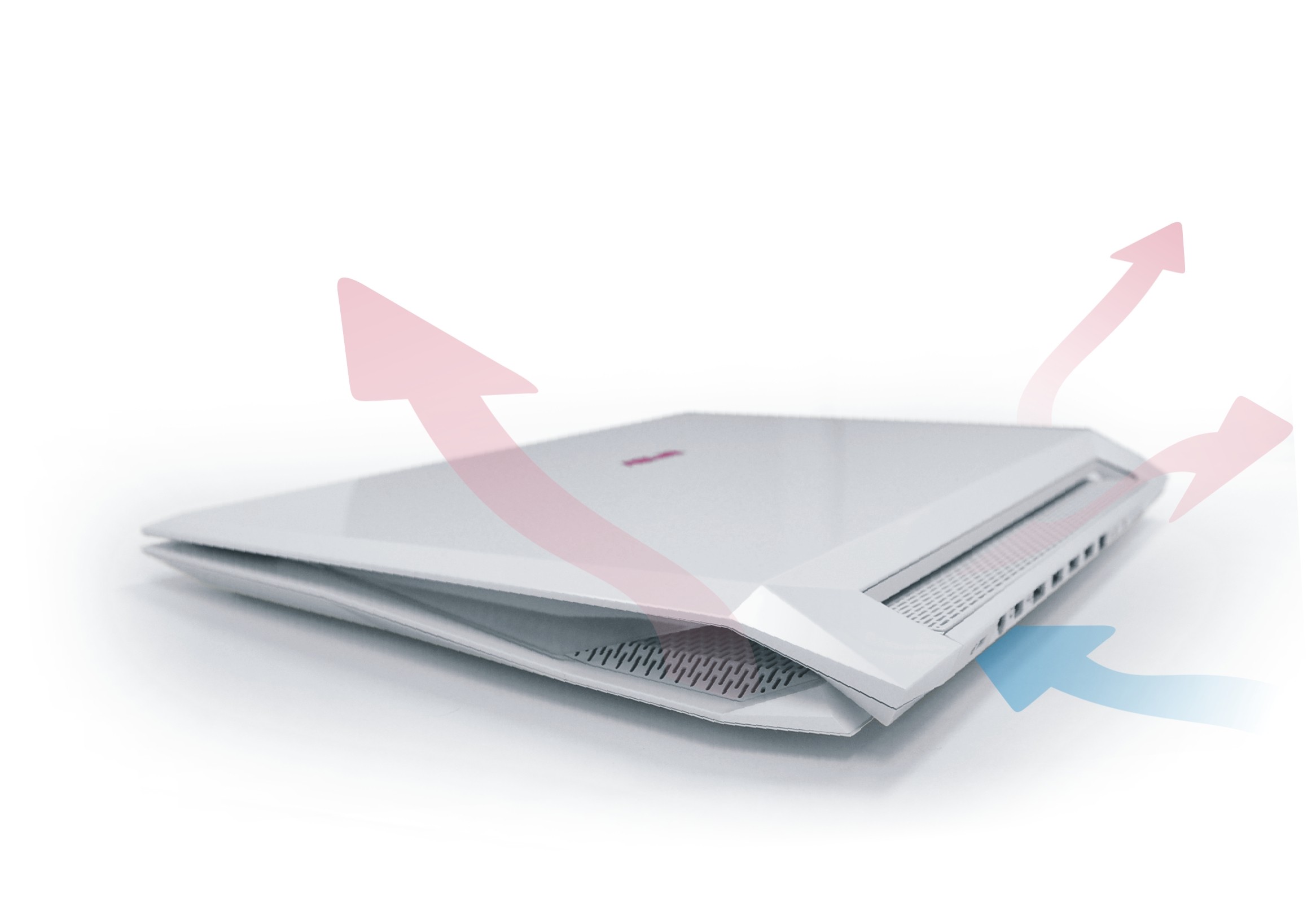
By leveraging natural airflow, AIRO effectively cools internal components, significantly extending the notebook’s lifespan. The result is a device that remains cooler to the touch, operates more quietly, and conserves energy. With reduced dependence on internal fans, power consumption is minimized, leading to prolonged battery life.
User Experience & Functionality
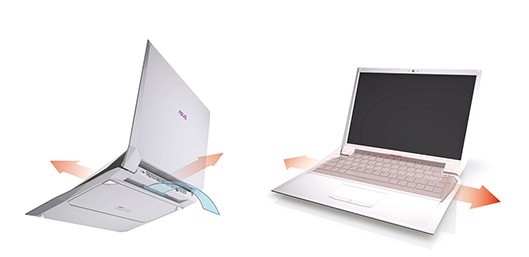
AIRO is designed to enhance the physical interaction between users and their devices. When the notebook is opened, the keyboard smoothly slides back and rises simultaneously. This dynamic motion not only improves ergonomics but also expands the device’s ventilation channels, facilitating natural airflow—allowing warm air to escape while drawing in cooler air.

Design Style Inspiration & Sustainability
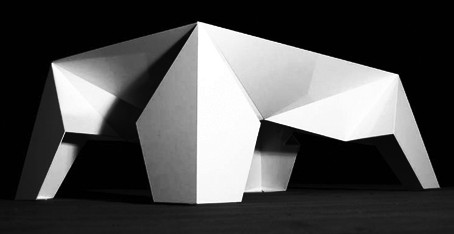
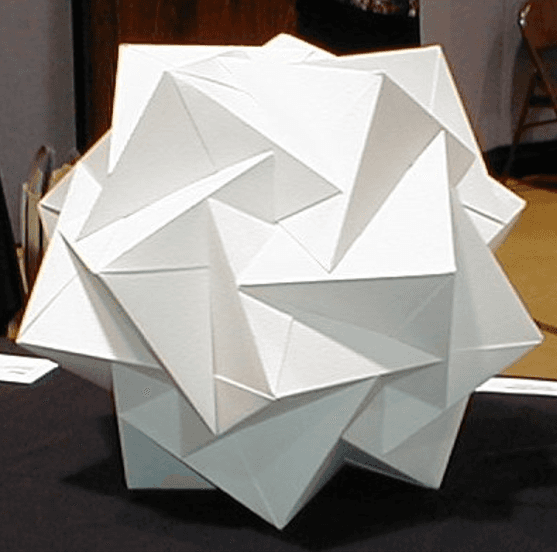
The design takes inspiration from the art of paper folding, particularly Japanese origami. This approach lends AIRO a distinctive aesthetic while reinforcing the concept of efficiency and elegance. Beyond its innovative mechanics, AIRO aligns with ASUS’s commitment to sustainability by promoting energy efficiency and reducing reliance on active cooling systems. The concept embodies an eco-friendly vision, demonstrating how thoughtful design can contribute to a greener future.



Engineering & Hinge Mechanism
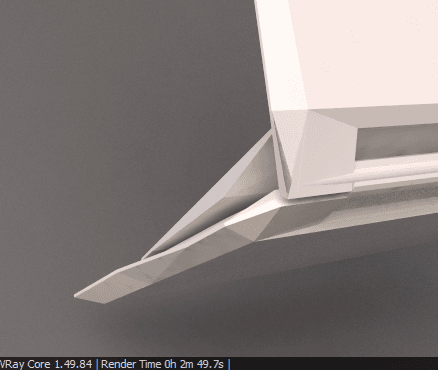
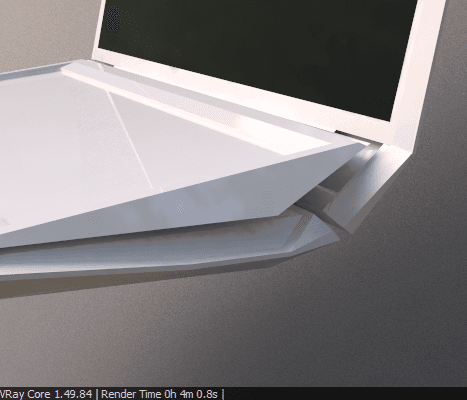
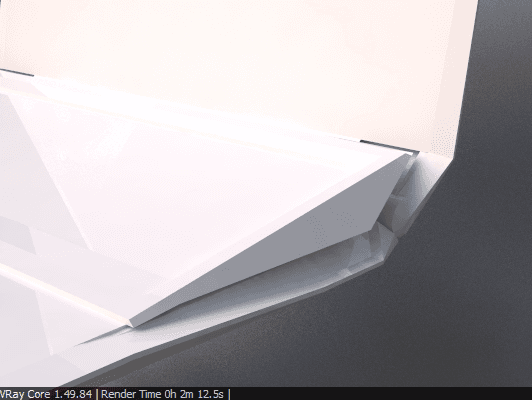
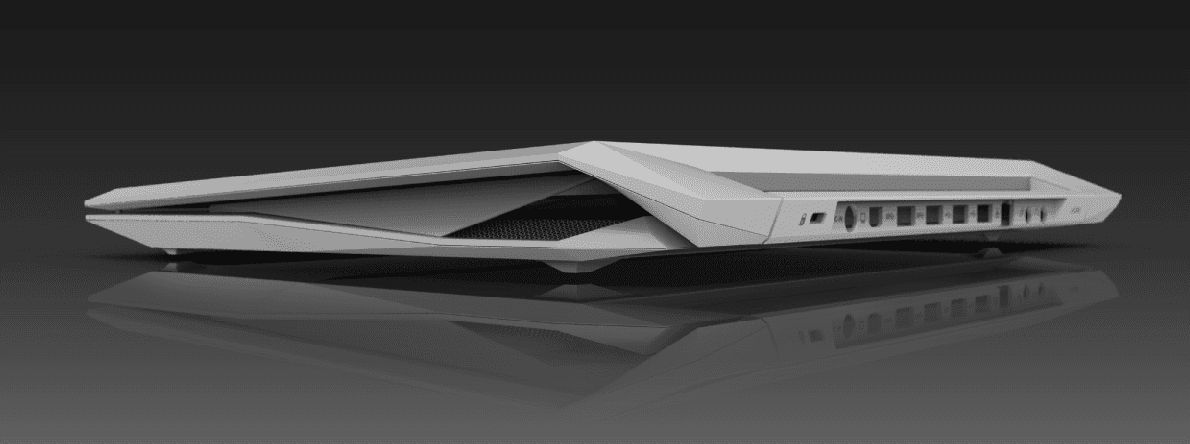
As seen in the accompanying images, the keyboard elevation is driven by the display’s hinge mechanism. When opened, the keyboard tilts at an angle of approximately 5 to 6 degrees, creating a triangular ventilation space.
The space ranges from 2mm at the front to 15mm at the rear. The keyboard plate measures approximately 120mm x 300mm. This expansion increases the internal volume by roughly 306ml, significantly improving airflow efficiency and the CPF (Cooling Performance Factor) values of the vent inlets.
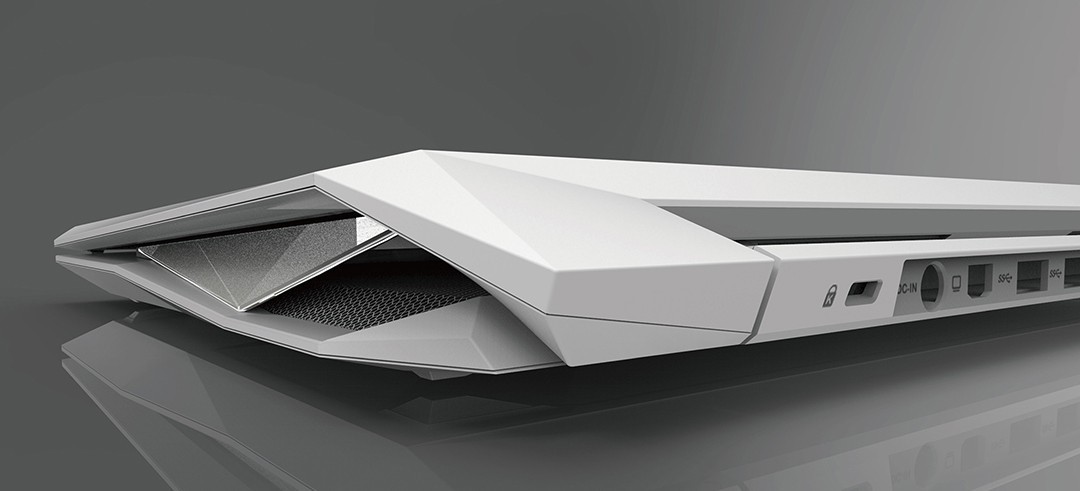
The Aesthetic Secret Behind AIRO's Origami Design
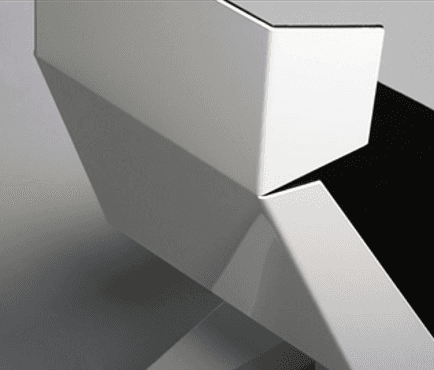
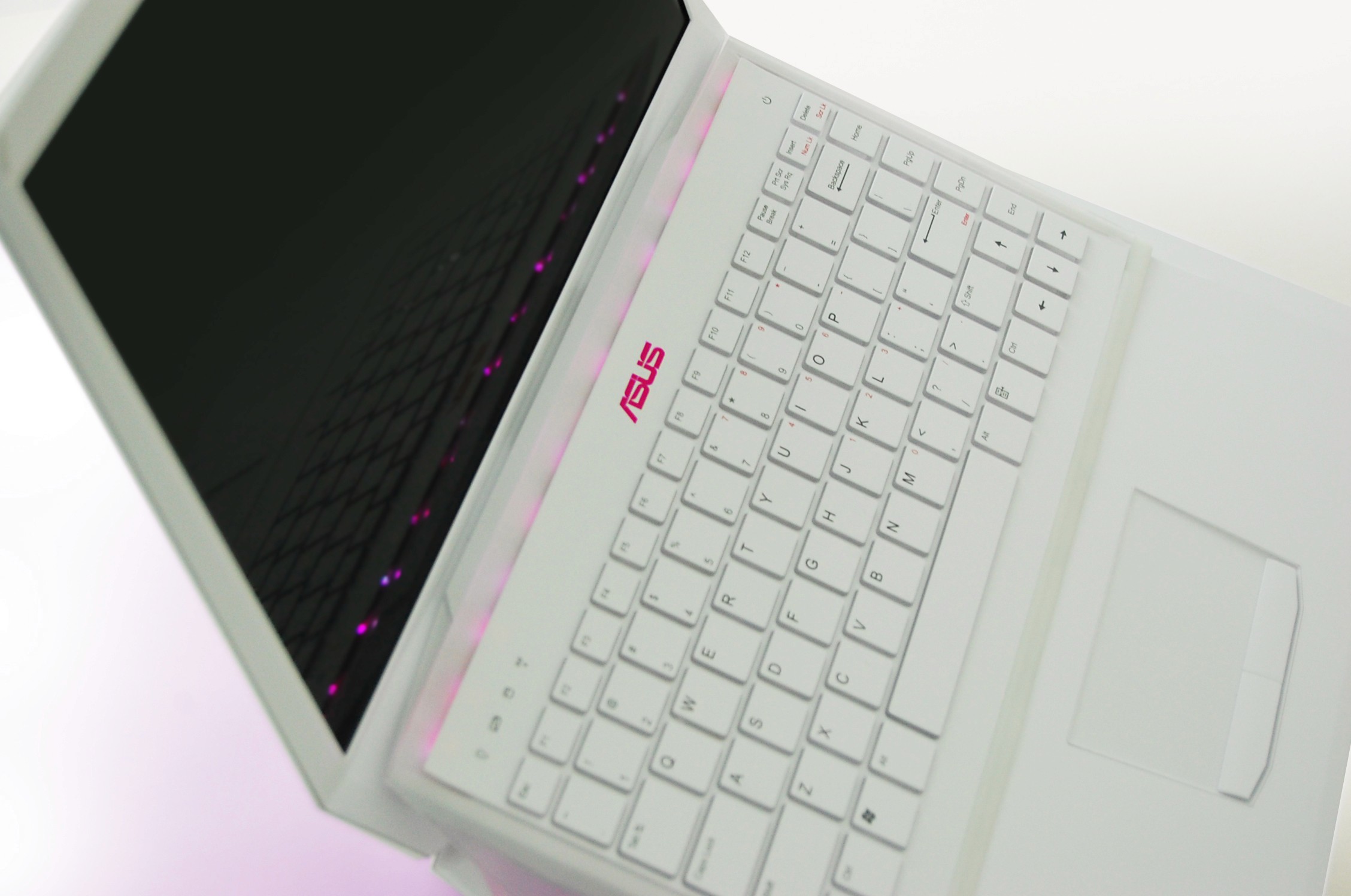
The secret behind the AIRO design, inspired by Origami, lies in its innovative use of folded surfaces to seamlessly conceal the notebook hinge. Traditional laptop designs often feature a visible hinge tube, which can interrupt the overall aesthetic. However, after extensively studying how paper folds to form a functional yet elegant structure, I applied the same principles to the AIRO design. By eliminating the conventional hinge tube and integrating the hinge mechanism within the folded form, the laptop achieves a cleaner, more streamlined look while maintaining structural integrity. This approach not only enhances the visual appeal but also reinforces the design theme of seamless transformation, much like the art of Origami.


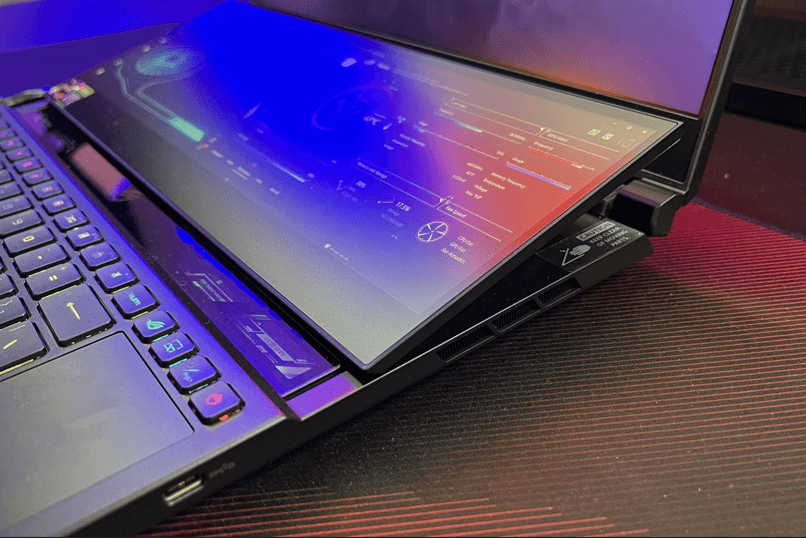
AIRO was successfully showcased at CES, receiving positive attention for its innovative design. Following its presentation, it was formally proposed to ASUS Taipei headquarters, where it was recognized for its unique approach to aesthetics and functionality. As a result, AIRO’s design principles were adopted as the main design guideline for the ASUS G-series Notebook, influencing future product development with its seamless integration of form and function.
We successfully applied for patents for AIRO and its related innovations in development. We believe that ASUS also regarded it as a key design for further development. With the support of thermal and structural design advancements, ASUS introduced the Zephyrus series years later, inspired by this design concept.
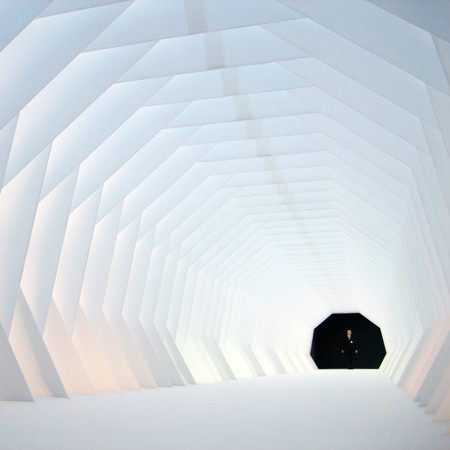
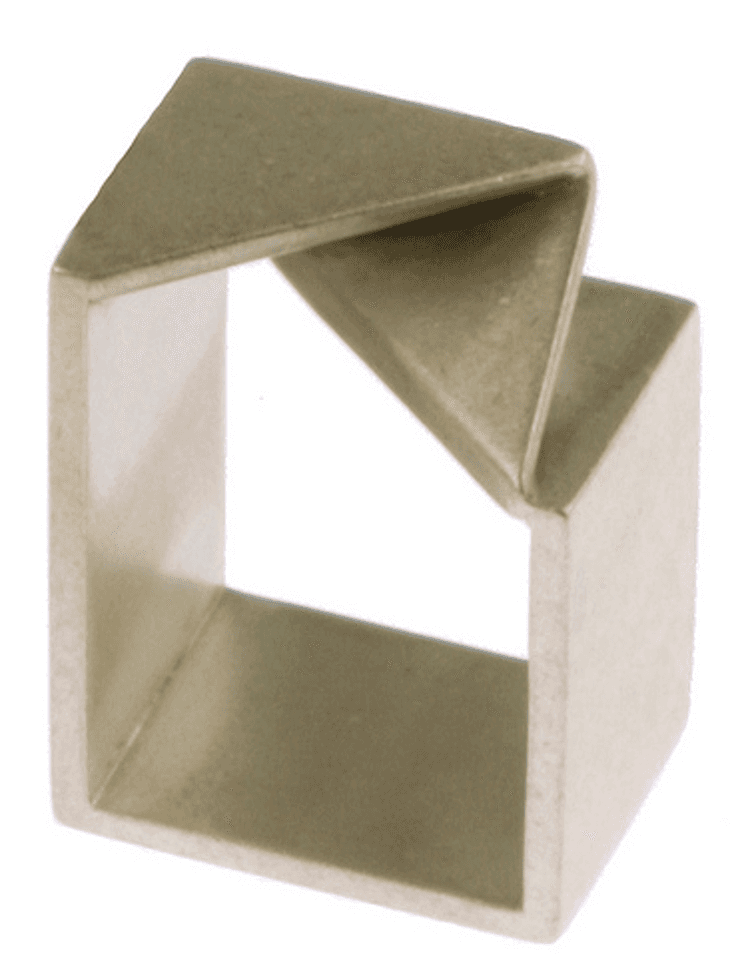
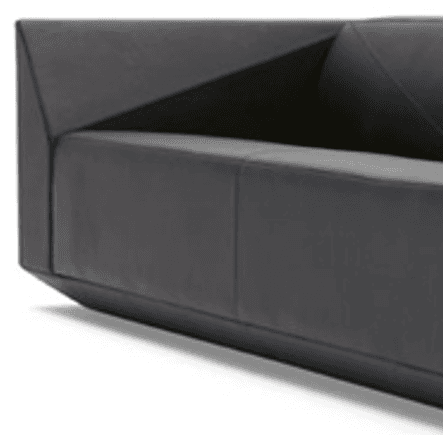
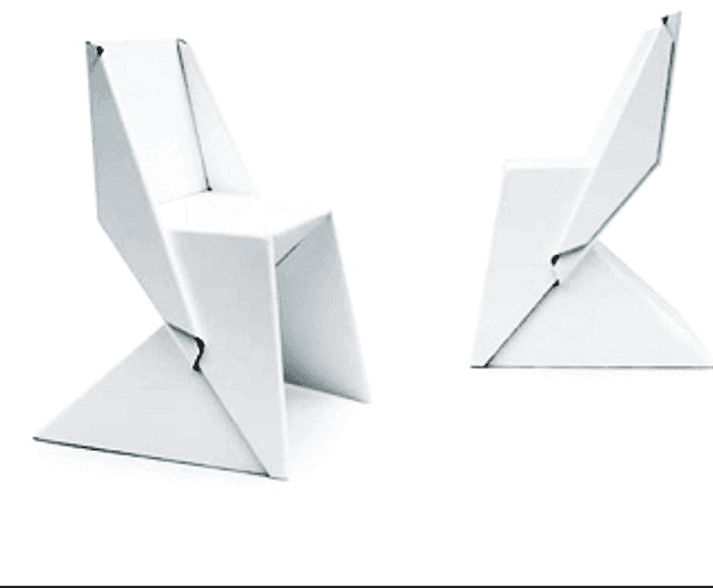
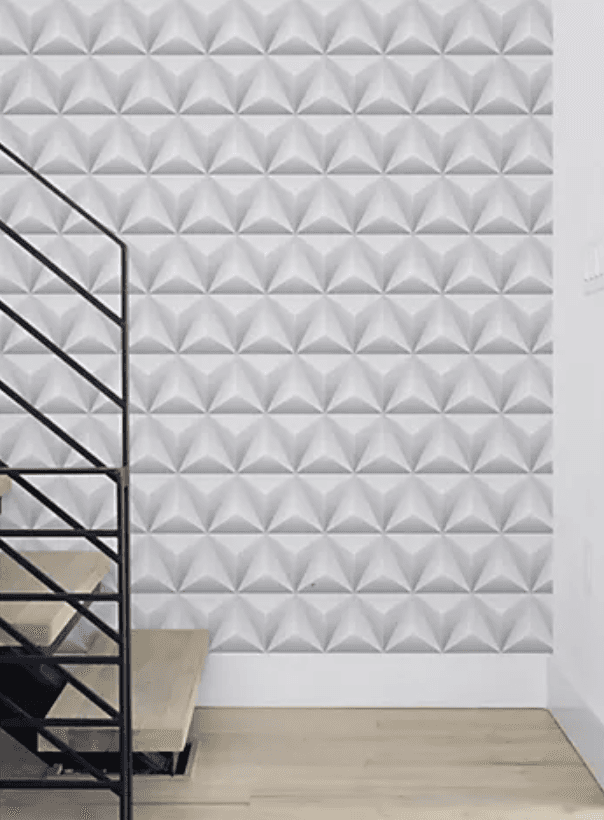
An increasing number of design cases have embraced the Origami style, showcasing distinctive product forms and aesthetics. This approach sometimes creates a layered, dimensional beauty, while at other times, it emphasizes sharp, precise lines that convey efficiency and elegance.
J O H N S O N S H I H
I N D U S T R I A L D E S I G N

Lastly, I would like to express my gratitude to the ASUS DESIGN SINGAPORE team for their mutual support. Being part of this team and working on design projects has been an incredible experience, allowing me to deeply appreciate the team’s passion for design. Under the leadership of Hung-Hsiang Chen, I had the opportunity to participate in and learn many aspects of team-based design operations and methodologies. I am also deeply thankful to have worked alongside Loi to bring this design to completion and introduce it to the international design stage.